Maharashtra Caves for Photographers (2026)
Maharashtra’s cave sites offer some of the most varied photography opportunities in India.
Within a single state, you can photograph 2,000-year-old Buddhist murals, a monolithic temple carved from a single rock, dramatic mountain cave facades, and even a meteor impact crater filled with a saline lake.
The challenge isn’t finding subjects.
It’s knowing which sites suit your photography style and when to visit them for the best light.
This guide covers the best photography locations across Maharashtra’s major cave sites, practical camera rules, and the equipment that actually helps.
Which Maharashtra Cave Site is Best for Photography?
The answer depends entirely on what you enjoy photographing.
| Photography Style | Best Site |
|---|---|
| Ancient Murals | Ajanta Caves |
| Architecture | Ellora Caves |
| Cave Facades | Karla Caves |
| Heritage Details | Bhaja Caves |
| Landscape Photography | Lonar Crater |
| Wildlife & Nature | Lonar Crater |
| Mixed Portfolio | Ellora Caves |
If you’re visiting Maharashtra specifically for photography, I’d prioritize Ajanta, Ellora, and Lonar Crater.
Together, they offer the greatest variety of subjects.
Ajanta Caves – Best for Murals and Interior Photography
Ajanta is unlike any other cave site in Maharashtra.
The main attraction isn’t architecture.
It’s the paintings.
The caves preserve some of India’s most important surviving Buddhist murals, many dating back more than 1,500 years.
Photographing Ajanta requires patience.
Light levels inside many caves are low, and flash photography is prohibited to protect the artwork.
The best results usually come from:
- Early morning visits
- Steady handheld shooting
- Fast lenses with wide apertures
- Higher ISO settings when necessary
Photographers interested in art, storytelling, and historical detail will find Ajanta particularly rewarding.
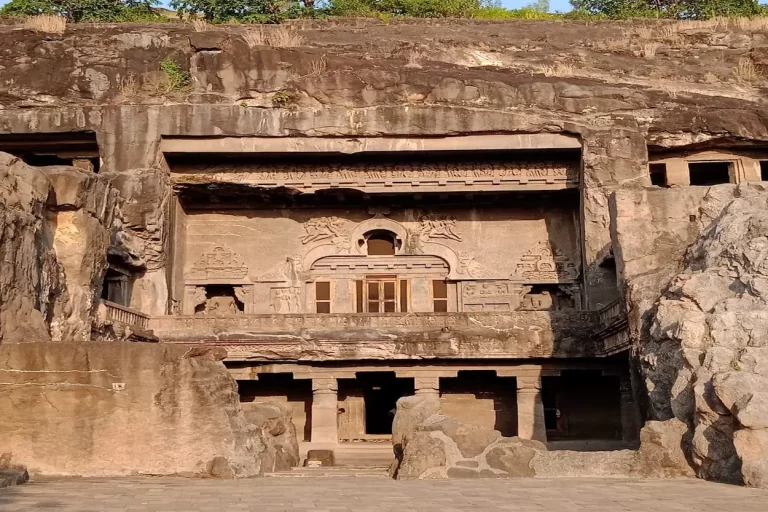
Ellora Caves – Best for Architectural Photography
Ellora offers the strongest architectural photography opportunities in Maharashtra.
The centerpiece is the Kailasa Temple, one of the world’s largest monolithic structures.
Unlike Ajanta’s darker interiors, Ellora provides opportunities for:
- Wide-angle compositions
- Symmetry shots
- Architectural details
- Layered shadows
- Elevated viewpoints
Morning and late afternoon generally provide the best conditions, when shadows add depth to carvings and help define the monument’s scale.
A wide-angle lens becomes particularly useful here.
Photographing Kailasa is less about detail and more about capturing the incredible engineering achievement visible from every angle.
Karla Caves – Best for Facades and Scale
Karla’s Great Chaitya Hall is among the finest surviving examples of ancient Buddhist architecture.
The exterior facade is especially photogenic.
Many visitors automatically arrive early in the morning, but Karla is one of the rare Maharashtra cave sites where afternoon light often works surprisingly well.
The sunlight can illuminate the facade directly, creating stronger contrast and revealing carved details more clearly. Photographers interested in architecture should allow time both outside and inside the chaitya hall.
Bhaja Caves – Best for Heritage Details
Bhaja rewards slower photography.
Unlike Ellora’s monumental scale or Karla’s dramatic facade, Bhaja is about smaller details.
Interesting subjects include:
- The famous musician panel
- Ancient stupas
- Monastic cells
- Rock-cut doorways
- Seasonal waterfalls during monsoon
Photographers who enjoy storytelling and intimate compositions often prefer Bhaja over larger sites.
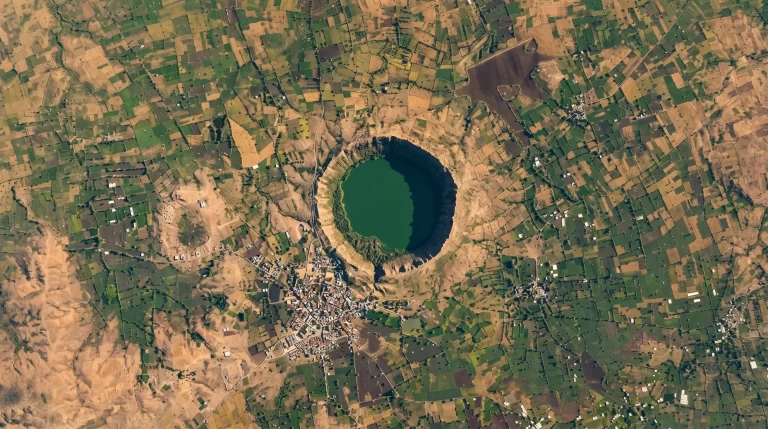
Lonar Crater – Best for Landscape Photography
Lonar Crater offers something no other Maharashtra cave site can.
Landscape photography.
The 50,000-year-old meteor impact crater provides dramatic viewpoints overlooking the crater rim, lake, forest, and temples.
The best photography opportunities include:
- Sunrise panoramas
- Sunset crater views
- Lake reflections
- Temple ruins
- Wildlife photography
- Aerial-style crater compositions from the rim
Sunrise is particularly rewarding, when the low-angle light emphasizes the crater’s shape and creates stronger contrast between the green lake and dark basalt walls.
Winter months also bring migratory birds, making wildlife photography possible.
Photography Rules at Maharashtra Cave Sites
Photography is generally permitted at Maharashtra’s major cave sites.
However, some restrictions apply.
Ajanta Caves
- Photography allowed
- Flash prohibited
- Tripods require permission
Ellora Caves
- Photography allowed
- Flash discouraged
- Tripods require permission
Karla and Bhaja Caves
- Photography allowed
- Tripods require permission
Lonar Crater
- Photography allowed
- Camera fee may apply
- Local rules occasionally change
Always check current rules on arrival, particularly if carrying professional equipment.
Tripod Rules You Should Know
One of the biggest surprises for photographers is that tripods generally require advance permission at ASI-managed sites.
Handheld photography is allowed.
Tripod photography is treated differently.
If tripod use is essential for your work, check current Archaeological Survey of India requirements before your trip and allow time for approvals.
For most travelers, modern cameras and image stabilization make handheld shooting entirely practical.
What Camera Gear Should You Bring?
A simple kit works best.
Wide-Angle Lens
Ideal for:
- Ellora
- Karla
- Lonar Crater
Fast Lens
Useful for:
- Ajanta interiors
- Bhaja interiors
- Low-light cave photography
Telephoto Lens
Helpful for:
- Wildlife at Lonar
- Architectural details
- Compression shots across large cave complexes
Many photographers can comfortably cover the entire Maharashtra cave circuit with a wide-angle zoom and one fast prime lens.
Best Photography Itinerary
Day 1
Ajanta Caves
Focus on murals and interior compositions.
Day 2
Ellora Caves
Architecture and Kailasa Temple photography.
Day 3
Aurangabad Caves and Daulatabad Fort
Additional architectural opportunities.
Day 4
Lonar Crater
Landscape and sunrise photography.
Day 5
Karla and Bhaja Caves (separate Pune-Mumbai trip)
Facade and detail photography.
FAQ – Maharashtra Caves for Photographers
Q1: Which Maharashtra cave site is best for photography?
Ellora offers the greatest variety, while Ajanta is best for murals and Lonar Crater is best for landscapes.
Q2: Is tripod photography allowed at Maharashtra cave sites?
Tripods generally require advance permission at ASI-managed monuments.
Q3: What is the best time of day for photography?
Early morning works best at most sites, while Karla often benefits from afternoon light on its facade.
Q4: Is flash photography allowed inside Ajanta Caves?
No. Flash photography is prohibited to protect the ancient murals.
Q5: Which lens is most useful for a Maharashtra caves trip?
A wide-angle lens is the most versatile option, particularly for Ellora, Karla, and Lonar Crater.
Related Posts You Might Like
- Maharashtra Caves Circuit – 5-Day Complete Itinerary
- Ajanta Caves Photography Guide
- Karla Caves Photography Guide
- Lonar Crater Photography Guide
- Photography Rules at Indian Caves – What’s Allowed