Lonar Crater Photography Guide (2026)
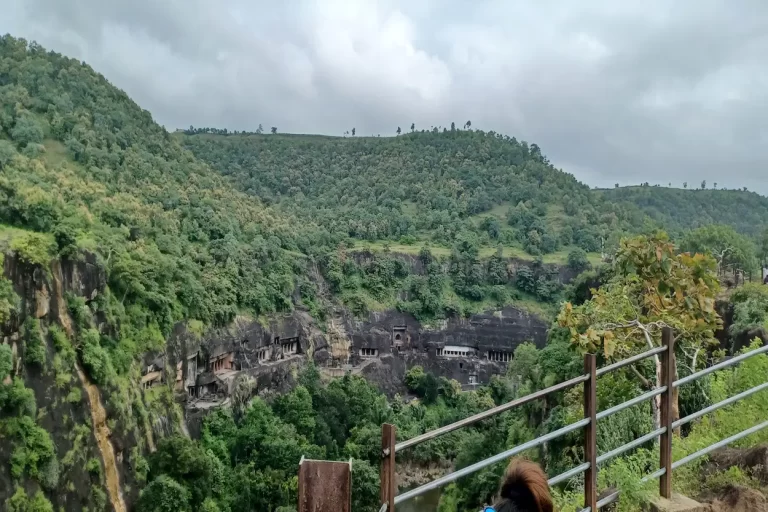
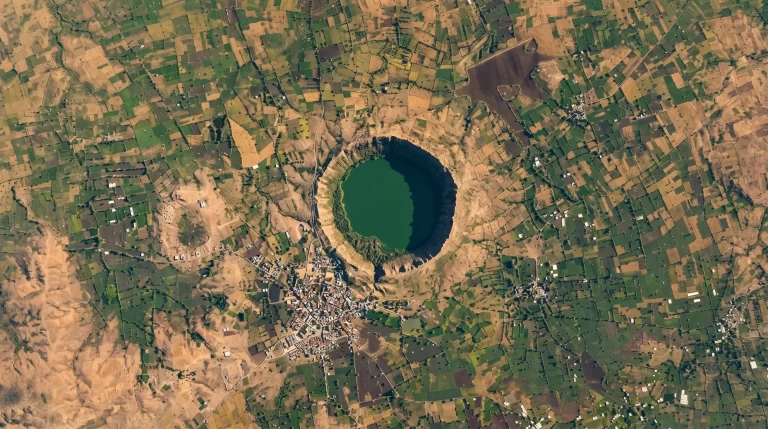
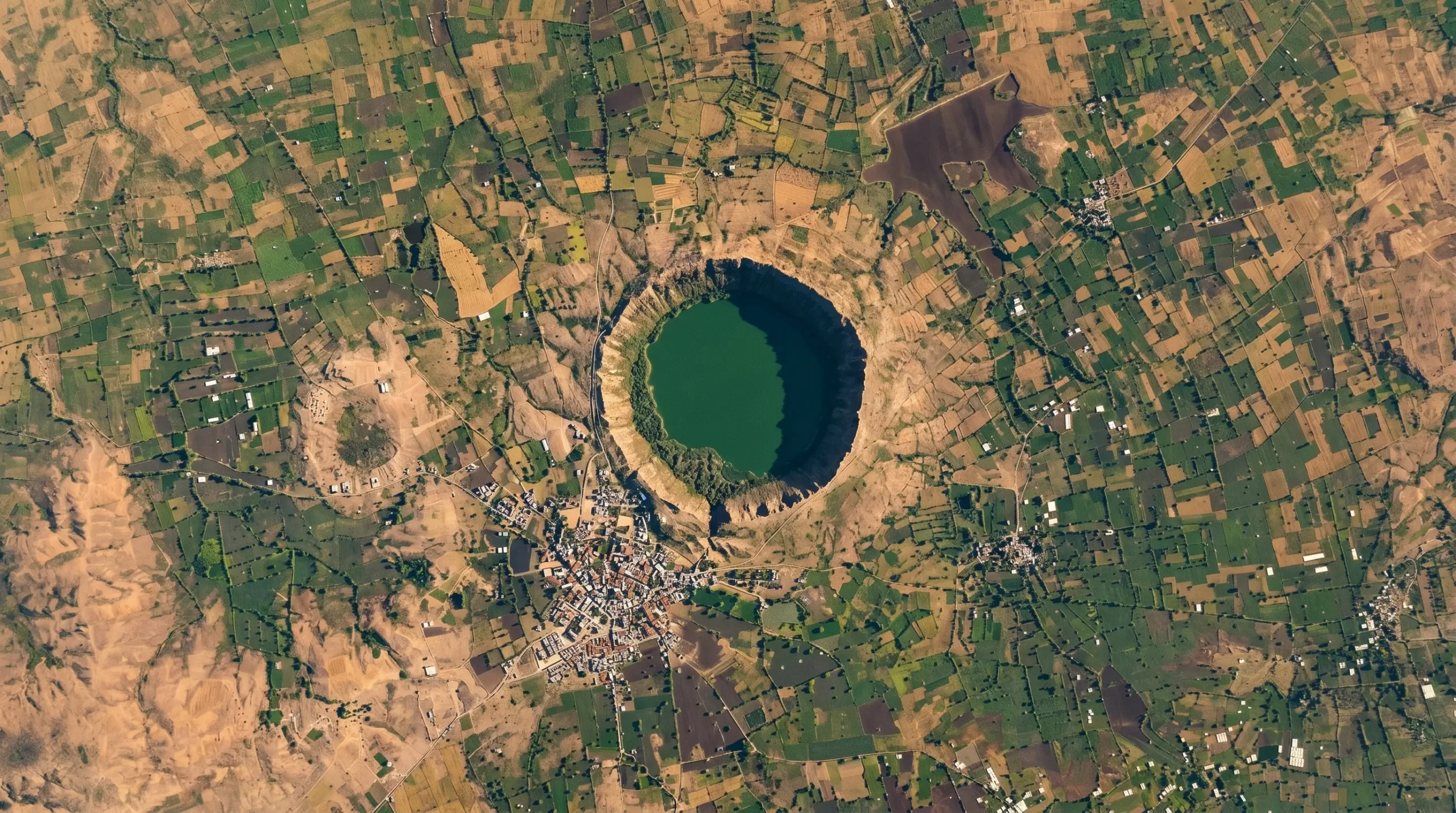
Lonar Crater photography is unlike photographing almost any other destination in Maharashtra. You are not just shooting a lake or a viewpoint — you’re photographing a 50,000-year-old meteor impact crater, a rare saline lake, ancient temples, wildlife, and one of India’s most unusual landscapes.
Whether you’re visiting with a smartphone or a professional camera setup, timing matters far more than equipment.
Quick Facts
| Photography Detail | Information |
|---|---|
| Best Light | Sunrise & Sunset |
| Camera Fee | Check locally before visit |
| Best Subjects | Crater Rim, Lonar Lake, Daitya Sudan Temple |
| Best Season | October to February |
| Recommended Lens | Wide-angle lens |
| Wildlife Photography | Best in winter |
Best Time for Lonar Crater Photography
The best photographs at Lonar are almost always taken during the golden hours.
Sunrise
Sunrise is the most rewarding time to photograph Lonar Crater.
The early morning light illuminates the crater walls gradually, creating depth and contrast across the lake and surrounding forest.
Benefits include:
- Cooler temperatures
- Soft golden light
- Better visibility
- Fewer visitors
- Calm lake conditions
Sunset
Sunset offers dramatic colors and stronger shadows across the crater basin.
The changing light often creates beautiful reflections on the lake while highlighting the basalt rim.
Photographers staying overnight often shoot both sunrise and sunset to capture completely different moods.
Best Photography Spots at Lonar Crater
Crater Rim Panorama
The classic Lonar photograph.
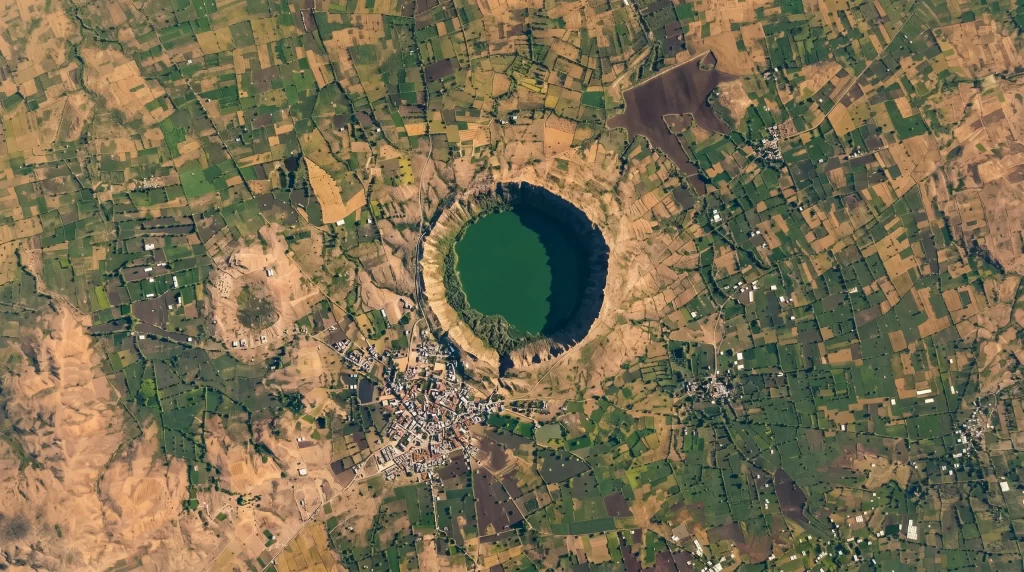
From several viewpoints around the rim you can capture the entire crater bowl, the lake at its center, and the surrounding forest.
A wide-angle lens works particularly well here.
This is the shot most visitors come for.
Lonar Lake
The lake itself changes appearance depending on season, weather, and sunlight.
Look for:
- Reflections
- Color variations
- Morning mist
- Shoreline patterns
- Monsoon greenery
Different viewpoints around the rim provide different compositions.
Photographing Daitya Sudan Temple
The most important temple associated with Lonar is Daitya Sudan Temple.
Its carved stone exterior offers excellent opportunities for:
- Architectural photography
- Detail photography
- Carving close-ups
- Symmetry compositions
Early morning or late afternoon provides the best light for highlighting the temple’s carvings and textures.
Other Temple Subjects
If you’re exploring the crater area thoroughly, consider photographing:
- Gomukh Temple
- Kamalja Devi Temple
- Papahareshwar Temple
- Smaller shrine ruins around the crater
These provide interesting historical context alongside the crater landscapes.
Wildlife Photography at Lonar
Many visitors focus only on the crater itself and overlook the wildlife.
Winter months often bring:
- Migratory birds
- Peacocks
- Parakeets
- Water birds
- Langurs
A telephoto lens is useful if wildlife photography is a priority.
Recommended Camera Equipment
Smartphone Photography
Modern smartphones perform surprisingly well at Lonar.
Focus on:
- Sunrise and sunset timing
- Panorama mode
- HDR mode
- Wide-angle compositions
Good light matters more than expensive gear.
DSLR / Mirrorless Setup
Recommended:
- Wide-angle lens (16–35mm equivalent)
- Standard zoom lens
- Telephoto lens for wildlife
- Extra batteries
- Lens cleaning cloth
Dust can be noticeable during the dry season.
Photography Tips for Lonar Crater
Arrive Early
The difference between sunrise light and midday light is dramatic.
Walk Multiple Viewpoints
Don’t stop at the first viewpoint.
Different sections of the rim provide completely different compositions.
Include Scale
Adding a person, temple, or tree in the frame helps show the crater’s true size.
Stay Overnight if Possible
Photographers usually get better results by staying overnight and shooting both golden hours rather than attempting a quick day trip.
Is Lonar Crater Worth Visiting for Photography?
Absolutely.
Few locations in India allow you to photograph:
- A meteor impact crater
- A rare saline lake
- Ancient temples
- Forest landscapes
- Wildlife within a single destination.
For landscape photographers, it is one of Maharashtra’s most underrated locations.
FAQ — Lonar Crater Photography
Q1: What is the best time for Lonar Crater photography?
Sunrise and sunset offer the best light for both crater landscapes and temple photography.
Q2: What is the best photography spot at Lonar Crater?
The crater rim viewpoints providing a full panorama of the lake and crater bowl are generally considered the best locations.
Q3: Is photography allowed at Lonar Crater?
General photography is allowed. Current photography rules and any camera charges should be confirmed locally before visiting.
Q4: Which lens is best for Lonar Crater?
A wide-angle lens is ideal for capturing the full scale of the crater, while a telephoto lens is useful for wildlife photography.
Q5: Which season is best for photography?
October to February provides the most reliable weather, clear visibility, and comfortable conditions.
Related Posts You Might Like
- Lonar Crater – Complete Guide
- Best Time to Visit Lonar Crater
- Lonar Lake – Saline Alkaline Lake Explained
- Lonar Crater Temples – Complete Guide
- Lonar Crater Timings and Entry Fees