Best Time to Visit Lonar Crater (2026)
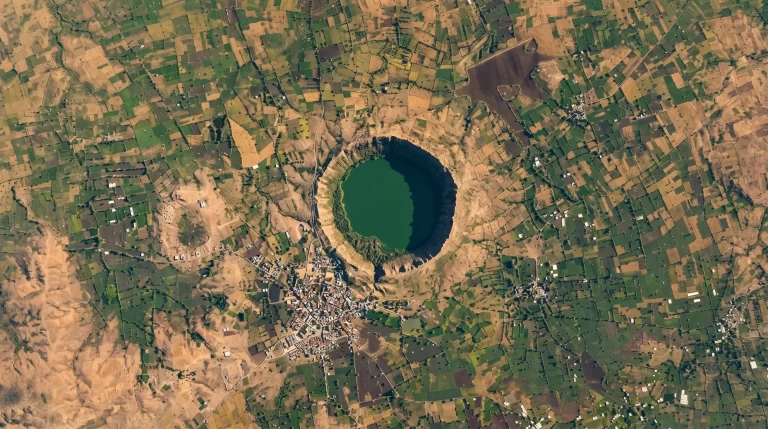
The best time to visit Lonar Crater depends on what you want from the experience. Some visitors come for the crater’s geology, others for the ancient temples, while photographers often plan their trip around seasonal light and landscape conditions.
For most travelers, October to February offers the best overall balance of comfortable weather, clear views, and full access to the major attractions around the crater.
Quick Facts
| Factor | Best Time |
|---|---|
| Best Overall Season | October to February |
| Best Weather | November to January |
| Best Photography | Sunrise and Sunset |
| Greenest Landscape | July to September |
| Temple Access | November to June |
| Hottest Period | March to June |
Lonar Crater Weather by Season
Winter (October to February)
Winter is widely considered the best time to visit Lonar Crater.
Temperatures remain comfortable throughout the day, making it easier to explore the crater rim, descend toward the lake, and visit the temples without dealing with extreme heat.
Benefits of visiting in winter include:
- Pleasant walking conditions
- Clear visibility across the crater
- Comfortable photography sessions
- Full access to crater-floor temples
- Better wildlife and birdwatching opportunities
For most visitors, this is the ideal season.
Summer (March to June)
Summer is the least comfortable season for visiting Lonar.
Temperatures regularly climb above 40°C, especially during April and May. The crater rim offers limited shade, making longer walks and crater descents more challenging.
If you must visit during summer:
- Start early in the morning
- Carry plenty of water
- Avoid midday exploration
- Wear sun protection
The site remains accessible, but conditions can be demanding.
Monsoon (July to September)
Monsoon transforms Lonar into one of the greenest landscapes in Maharashtra.
The crater walls become lush, seasonal streams appear, and the surrounding forest looks dramatically different from the dry months.
However, there are trade-offs.
The rising lake level can partially submerge several temples located within the crater bowl, and trails become slippery after rainfall.
Monsoon visitors should expect:
- Spectacular greenery
- Dramatic cloud formations
- Fewer tourists
- Slippery walking conditions
- Limited access to some lower temples
If photography is your priority, monsoon can be incredibly rewarding.
Best Month to Visit Lonar Crater
If you want the single best window, choose:
November to February
During these months you get:
- Pleasant temperatures
- Full temple access
- Clear views of the crater
- Comfortable trekking conditions
- Better sunrise and sunset photography
This is also the season most commonly recommended by local guides.
Best Time of Day to Visit
Regardless of season, early morning and late afternoon offer the best experience.
Sunrise
Sunrise creates beautiful light across the crater walls and lake surface.
Benefits include:
- Cooler temperatures
- Softer photography light
- Better wildlife activity
- Fewer visitors
Sunset
Sunset provides dramatic colors and long shadows across the crater landscape.
Many photographers specifically plan overnight stays to capture both sunrise and sunset.
When Are the Crater-Floor Temples Accessible?
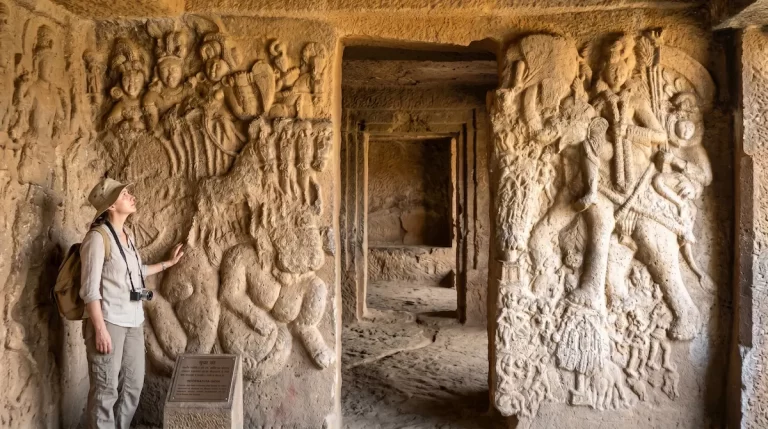
One of the biggest seasonal considerations is access to the temples located within the crater bowl.
These temples are generally easiest to access between:
November and June
During monsoon, rising water levels and muddy conditions can affect access to some of the lower temple structures.
Visitors specifically interested in temple exploration should avoid peak monsoon months.
Best Time to Visit Lonar Crater for Photography
Photographers generally prefer:
Season: October to February
Time of Day: Sunrise and Sunset
This combination offers:
- Clear skies
- Better visibility
- Pleasant temperatures
- Golden-hour lighting
- Easier trail conditions
Monsoon can produce dramatic landscapes, but winter offers more reliable conditions overall.
Is Winter Really the Best Time?
For most visitors, yes.
Winter combines:
- Comfortable weather
- Full attraction access
- Better walking conditions
- Excellent photography opportunities
- Clear crater views
If you’re planning only one trip to Lonar, October through February remains the safest and most rewarding choice.
FAQ — Best Time to Visit Lonar Crater
Q1: What is the best time to visit Lonar Crater?
October to February is generally considered the best time to visit Lonar Crater due to pleasant weather, clear visibility, and full access to the major attractions.
Q2: Can I visit Lonar Crater during monsoon?
Yes. Monsoon creates beautiful green scenery, but some crater-floor temples may become difficult to access and trails can be slippery.
Q3: Should I avoid Lonar Crater in summer?
If possible, yes. March to June can be extremely hot, making exploration less comfortable, especially during midday.
Q4: Which months are best for photography?
November through February offers the best combination of weather, visibility, and lighting conditions.
Q5: What is the best time of day to visit Lonar Crater?
Sunrise and sunset provide the most comfortable temperatures and the best photography opportunities.
Related Posts You Might Like
- Lonar Crater – Complete Guide
- Lonar Crater Timings and Entry Fees
- Lonar Crater Photography Guide
- Lonar Crater Temples – Complete Guide
- How to Reach Lonar Crater from Aurangabad