Ajanta Caves Travel Guide – Complete Visitor & Photography Handbook
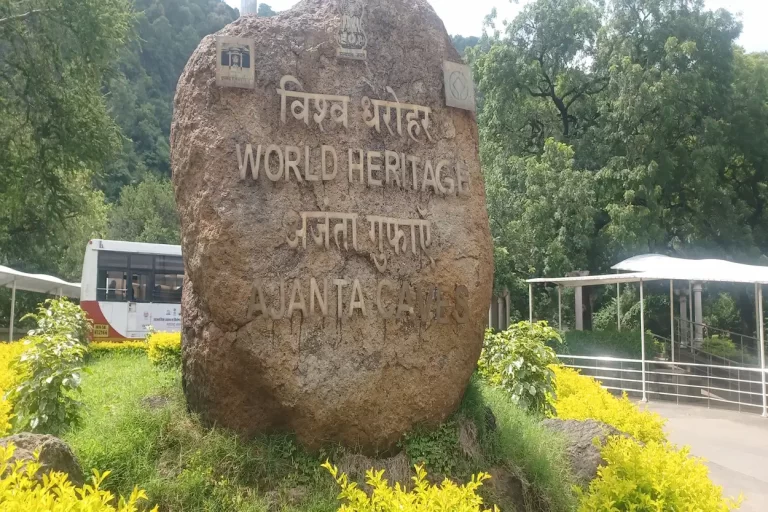
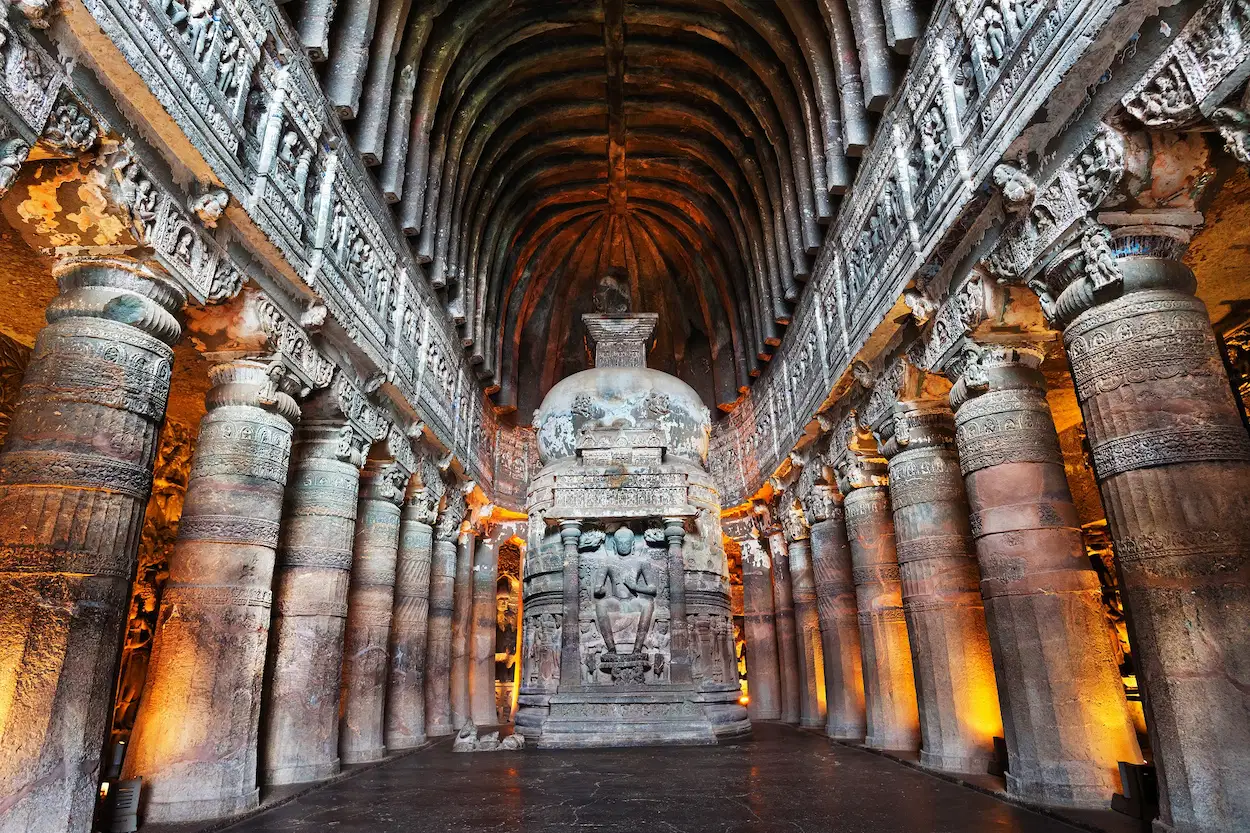
Stepping into the Ajanta Caves feels like entering another world — a place where art, devotion, and time have stood still for over 1,500 years. Carved into the Sahyadri hills, about 100 km from Chhatrapati Sambhajinagar (Aurangabad), this UNESCO World Heritage Site is one of India’s most astonishing achievements — a complex of 30 caves that continues to stop people mid-sentence the first time they understand what they are standing inside.
In this guide, I am sharing everything I would tell someone planning their first visit — the history, the architecture, the timings and fees, photography guidance, and exactly how to get here. Whether this is your first time in India or you have been to a dozen heritage sites already, Ajanta rewards patience in a way few places do.
1. The Story of Ajanta Caves – India’s Timeless Buddhist Art
The Ajanta Caves were carved in two distinct phases — an early Hinayana phase around the 2nd century BCE, and a much more developed Mahayana phase concentrated in the 5th century CE under Vakataka dynasty patronage. There are 30 rock-cut caves in total, each serving as either a monastery (vihara) or a prayer hall (chaitya). The murals inside depict stories from the Jataka tales — the past lives of the Buddha — rendered with an emotional and narrative detail that still feels alive today, 1,500 years later.
💡 Tip: Don’t rush through — spend at least 3–4 hours exploring the caves slowly.
📍 View on Google Maps
2. Architecture & Layout of the Caves
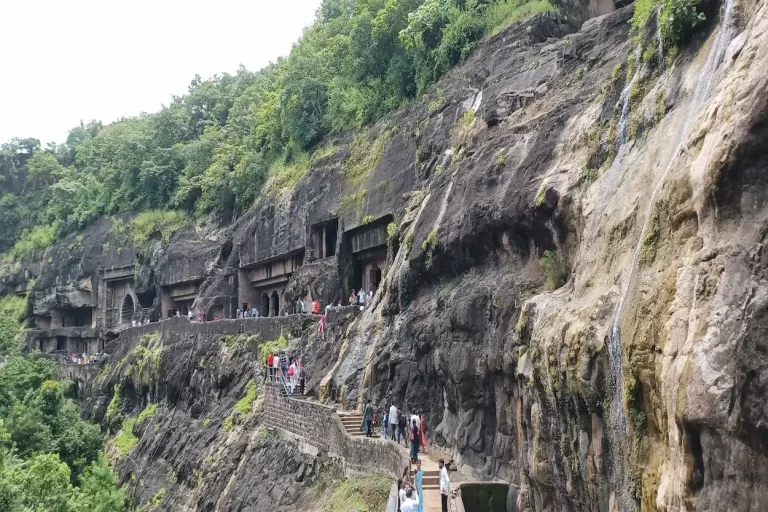
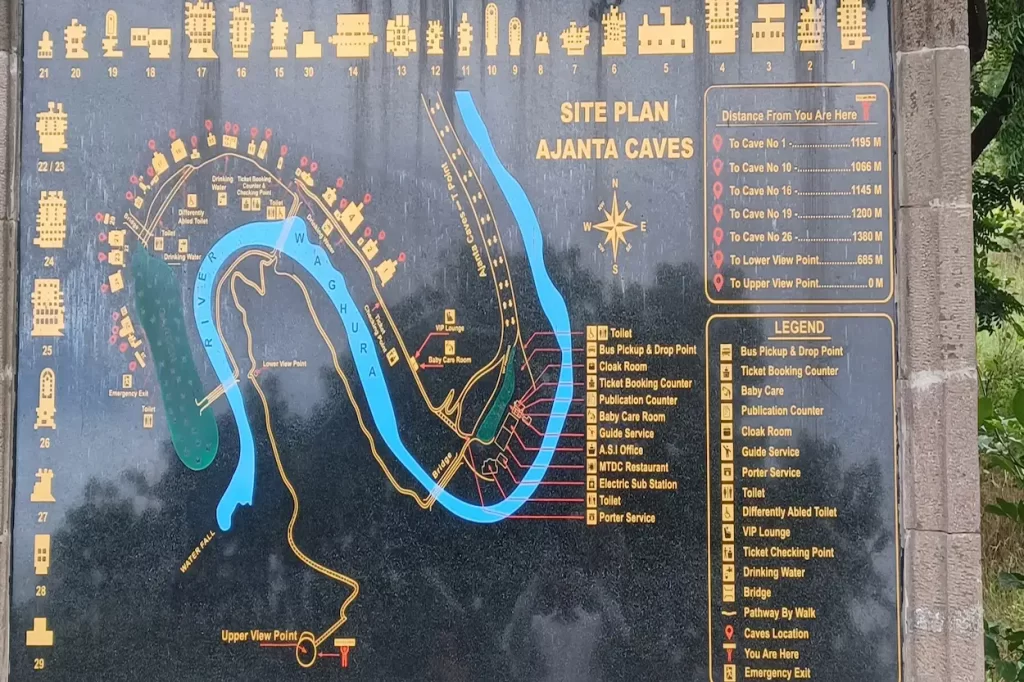
The caves are cut into a horseshoe-shaped cliff overlooking the Waghur River. The layout is both practical and quietly poetic — the curve of the gorge allows natural light to filter into several cave entrances at specific times of day, illuminating the paintings inside in a way that feels deliberate even now.
- Viharas (monasteries): square pillared halls with monk cells along the rear and side walls, used for living, meditation, and teaching.
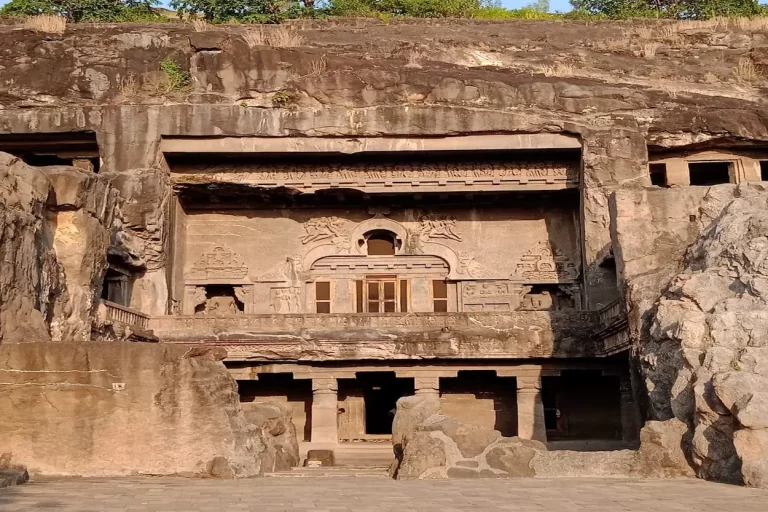
- Chaityas (prayer halls): larger, vaulted spaces with a stupa at one end, pillars running the length of the hall, and carved facades — built for communal worship rather than individual residence.
- Cave Numbers 9, 10, 19, 26: the finest chaitya halls at the site, with towering stupas and ornate carved facades.
- Cave Numbers 1, 2, 16, 17: Known for murals and fine detailing.
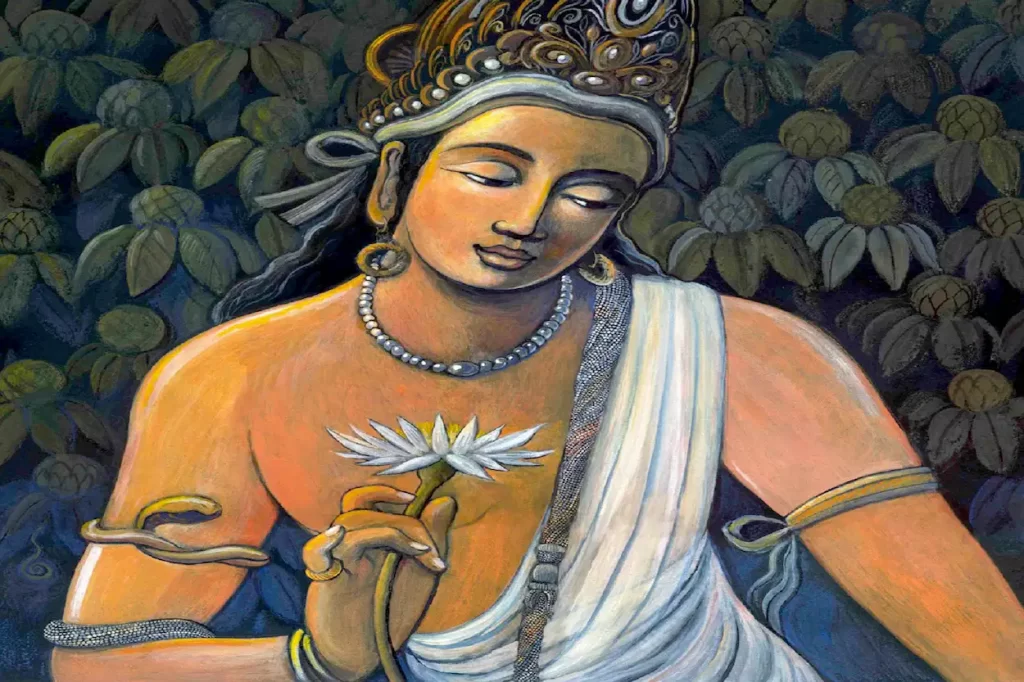
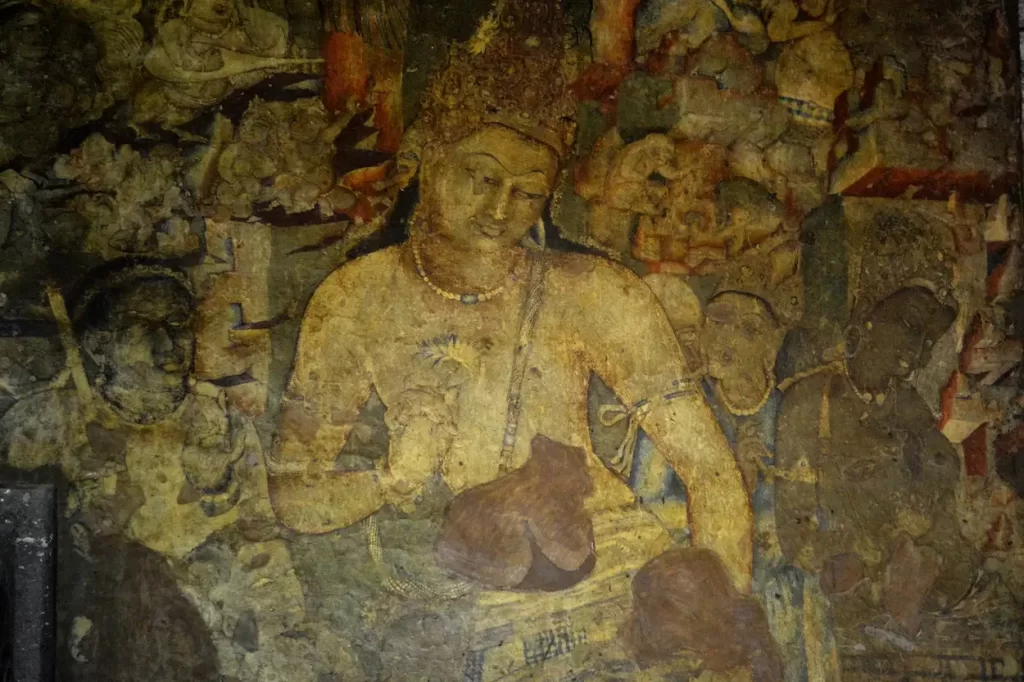
💡 Tip: Cave 1’s murals — the “Bodhisattva Padmapani” and “Avalokiteshvara” — are masterpieces of ancient Indian painting.
3. Ajanta Caves Travel Guide – Highlights You Should Not Miss
Cave 1 – The Jewel of Ajanta
It’s the most famous cave, featuring vibrant paintings of Buddha and his attendants. The colors, even after 1,500 years, still glow under low light.
💡 Tip: Ask the guide to shine a light on the “Bodhisattva Padmapani” — it’s breathtakingly detailed.
Cave 2 – Celestial Paintings
The ceiling and walls here are filled with intricate patterns, floral motifs, and depictions of celestial beings.
💡 Tip: Stand at the center and look up — the symmetry is mesmerizing.
Cave 16 & 17 – The Jataka Stories in Motion
These caves illustrate the life and moral tales of Buddha’s previous births. You’ll find paintings showing compassion, sacrifice, and wisdom through mythological scenes.
💡 Tip: Use a guide — they’ll help you decode the stories behind each mural.
Cave 19 & 26 – Majestic Chaitya Halls
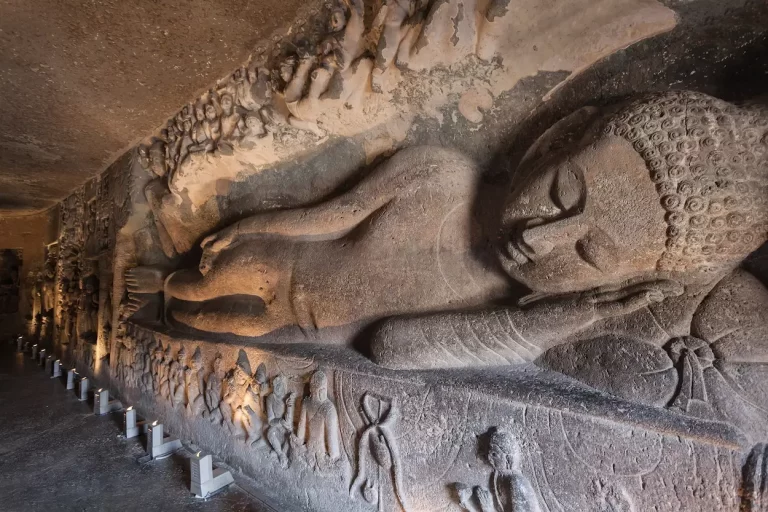
These two are architectural marvels with towering stupas and ornate carvings. Cave 26 features the famous “Mahaparinirvana” — Buddha’s reclining posture symbolizing enlightenment through death.
💡 Tip: Late morning light beautifully filters through the Chaitya window — ideal for photography.
4. Best Time to Visit Ajanta Caves
The caves are open year-round, but the experience changes with seasons:
| Season | Best For | Notes |
|---|---|---|
| November–February | Pleasant weather, clear skies | Peak tourist season |
| March–June | Warm but great for morning visits | Fewer crowds |
| July–September | Lush green surroundings | Waterfalls near caves, but humid |
💡 Tip: Avoid Mondays — Ajanta Caves remain closed.
5. Timings & Entry Fees
- ⏰ Opening Hours: 9:00 AM – 5:30 PM (Closed Mondays)
- 🏟️ Entry Fee: ₹35 online / ₹40 at the counter (Indian nationals, SAARC & BIMSTEC citizens), ₹600 (foreign nationals). Children under 15 enter free.
- Camera Fee: None for mobile phones or still cameras. Flash photography is strictly prohibited inside all caves, and personal torches or flashlights are not permitted — only the ASI’s fiber-optic lighting can be used inside.
- 🚶♂️ Best Duration: 3–4 hours minimum
💡 Tip: The Archaeological Survey of India (ASI) museum near the entrance is worth visiting — free entry with your ticket.
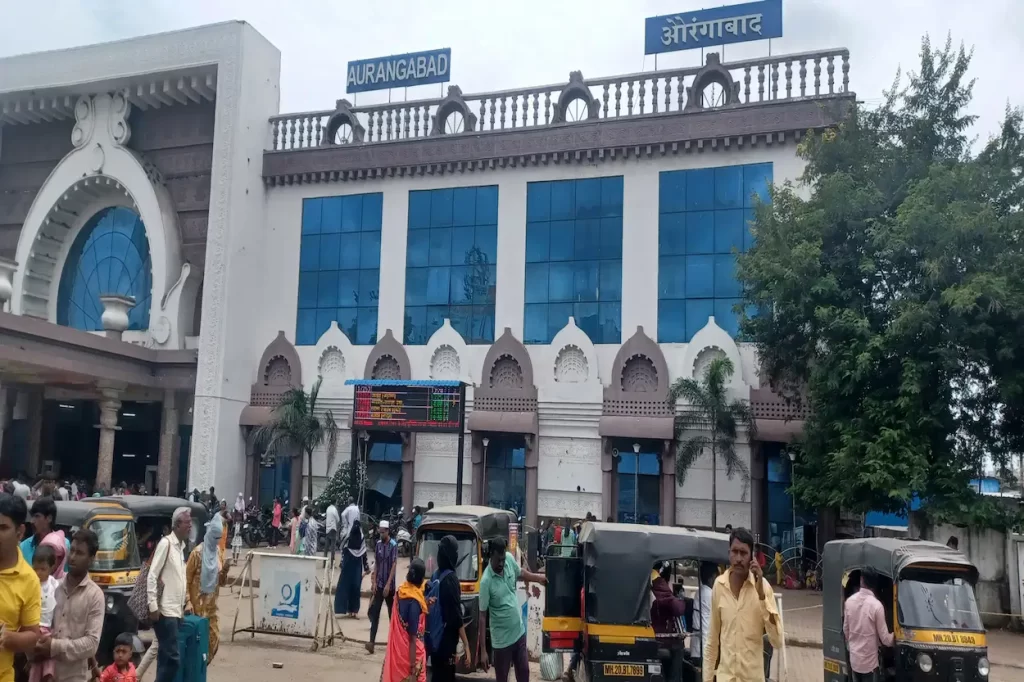
6. How to Reach Ajanta Caves from Aurangabad
By Road:
- Distance: 100 km (2.5 hours) via Aurangabad–Jalgaon Highway.
- Regular buses and private taxis available from Aurangabad.
By Train:
- Nearest station: Jalgaon (60 km away). From there, taxis and buses are easily available.
By Air:
- Nearest airport: Aurangabad Airport (domestic connectivity to Mumbai, Delhi, Pune).
💡 Tip: The last stretch to the caves involves a short eco-shuttle bus ride (INR 20) from the parking area.
7. Facilities & Amenities at the Site
- Drinking water and restrooms are available at the entrance.
- Small snack stalls and a government-run restaurant near parking.
- Lockers and luggage storage available.
- Free ASI Museum near the site — small but informative.
💡 Tip: Mobile network is limited near the caves — download offline maps beforehand.
8. Photography Tips for Ajanta Caves
Capturing Ajanta’s interiors is a test of skill and patience. The low lighting, ancient pigments, and fine detailing make photography challenging but rewarding.
📸 Quick Tips:
- Avoid flash — it can damage paintings.
- Use a tripod or stabilizer (if permitted).
- The best light is between 10 AM–12 PM when sunlight hits cave entrances.
- For murals, shoot at higher ISO and low shutter speed with steady hands.
- Outside views of the valley and Waghora River look best during golden hours.
💡 Tip: Hire a guide familiar with photography — they know exactly when sunlight hits each cave best.
9. Nearby Attractions Around Ajanta Caves
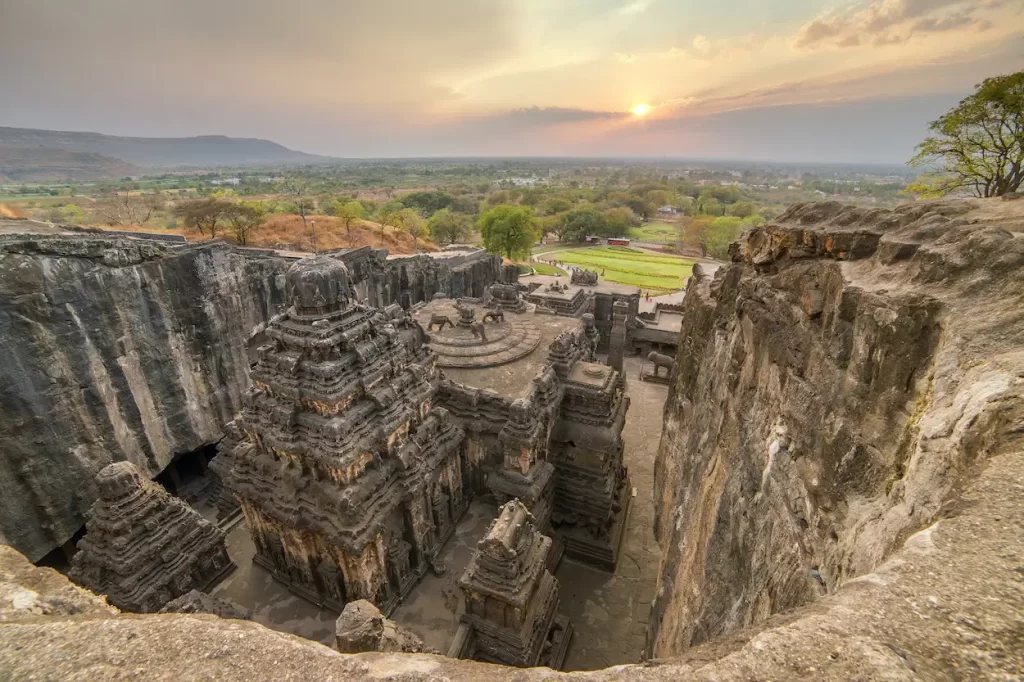
- Ellora Caves (100 km) – Iconic rock-cut temples.
- Daulatabad Fort (90 km) – Majestic hill fortress.
- Bibi Ka Maqbara (100 km) – Mini Taj Mahal of the Deccan.
- Pitalkhora Caves (85 km) – Ancient Buddhist caves hidden in forested hills.
- Lonar Crater Lake (170 km) – World’s only hyper-velocity impact crater in basalt rock.
10. Travel Tips for Visiting Ajanta Caves
- Wear comfortable shoes — expect moderate walking and stairs.
- Carry water, hat, and sunscreen.
- Avoid loud talking — the caves are meditation sites.
- Stay in Aurangabad city if you want good hotels and connectivity.
- Hire ASI-authorized guides only — they’re knowledgeable and regulated.
💡 Tip: Combine Ajanta and Ellora in two days — Ajanta for art, Ellora for architecture.
Personally Tested Best GetYourGuide Tours
👉 Related Posts You Might Like:
- Ellora Caves Travel Guide
- How to Reach Ajanta Caves from Aurangabad
- Pitalkhora Caves Guide
- Best Weekend Itinerary for Aurangabad in 2 Days
- Top Tourist Attractions in Aurangabad City
Frequently Asked Questions (FAQ)
Q: What is Ajanta Caves famous for?
A: The Ajanta Caves are world-famous for their ancient Buddhist paintings and sculptures that depict the life and teachings of Lord Buddha.
Q: How many caves are there in Ajanta?
A: There are 30 caves in total, carved into a horseshoe-shaped rock face overlooking the Waghora River.
Q: What are the best caves to visit in Ajanta?
A: Caves 1, 2, 16, 17, 19, and 26 are the most detailed and well-preserved.
Q: Is photography allowed inside Ajanta Caves?
A: Yes, but flash photography is strictly prohibited to protect the murals.
Q: When is the best time to visit Ajanta Caves?
A: Between November and February, when the weather is pleasant for sightseeing and photography.