Ajanta Caves Paintings You Should Not Miss (2026 Art Lover’s Guide)
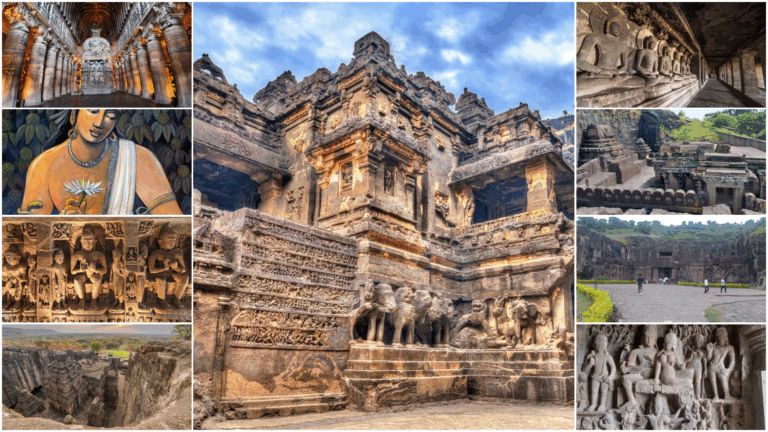
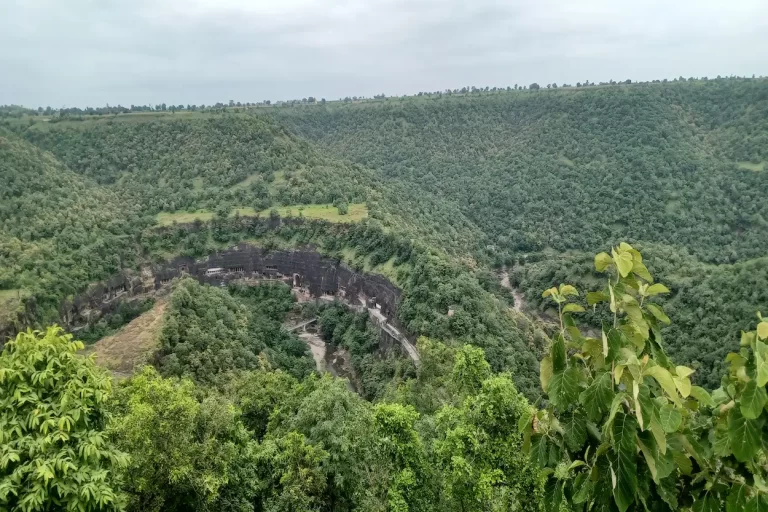
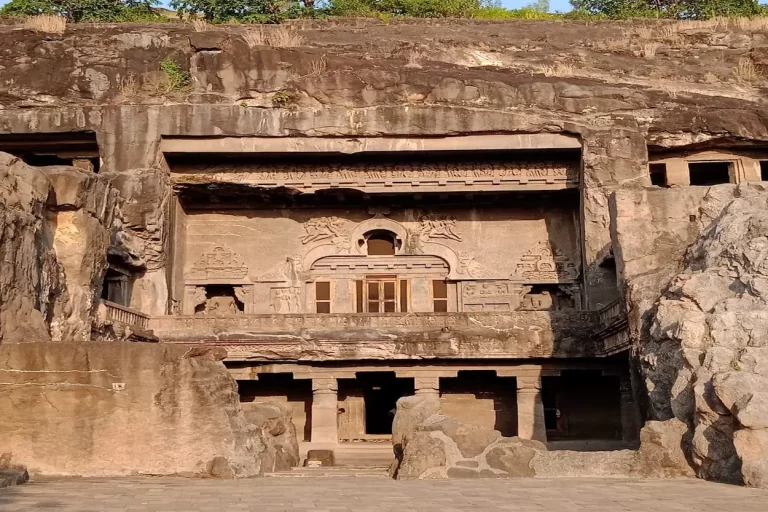
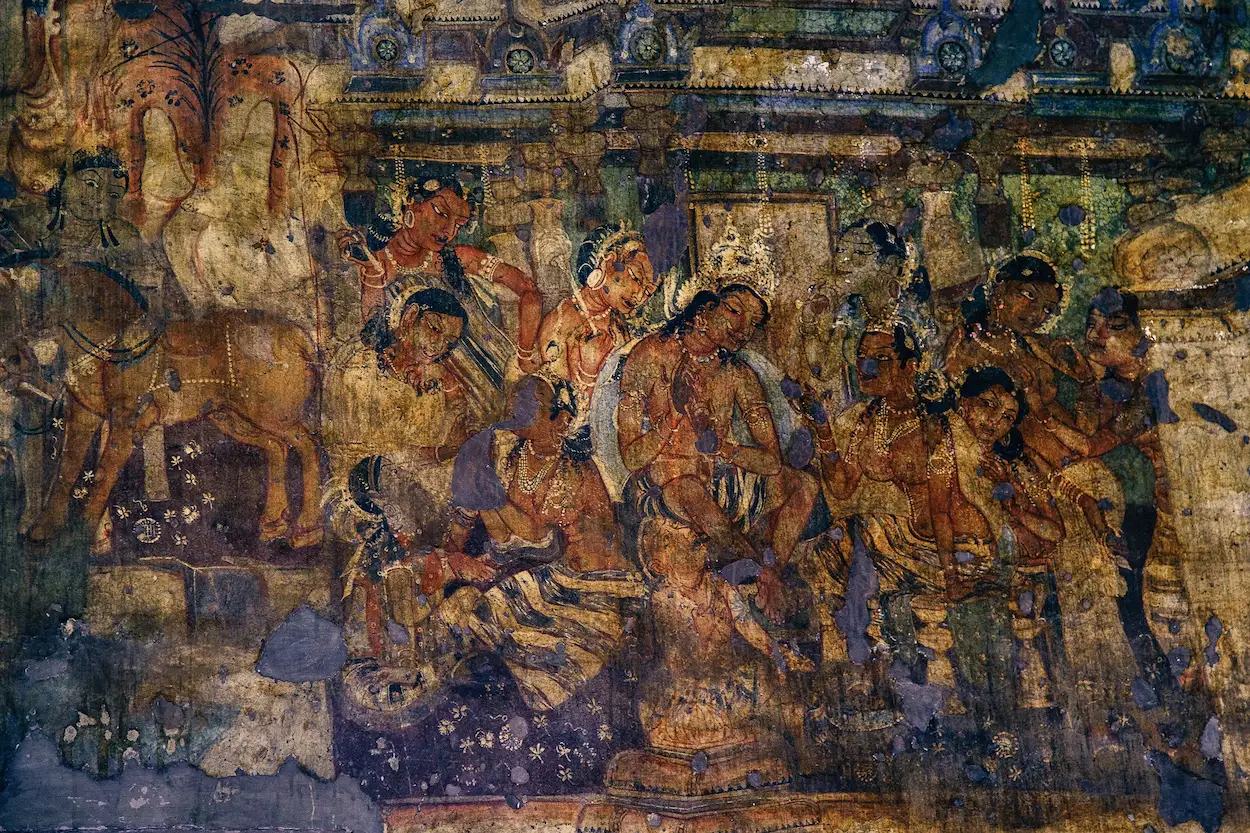
The Ajanta Caves Paintings are not just art — they are a living testament to the soul of ancient India. Hidden in the basalt cliffs near Aurangabad, these 2,000-year-old murals tell stories of compassion, enlightenment, and life in extraordinary detail. Created by Buddhist monks using natural pigments and candlelight, the paintings have survived centuries of wind, rain, and silence — still vibrant, still powerful.
In this detailed guide, I’ll walk you through the Ajanta Caves Paintings you absolutely shouldn’t miss — the ones that still take your breath away even after decades of study and restoration.
1. A Timeless Canvas of Faith and Beauty
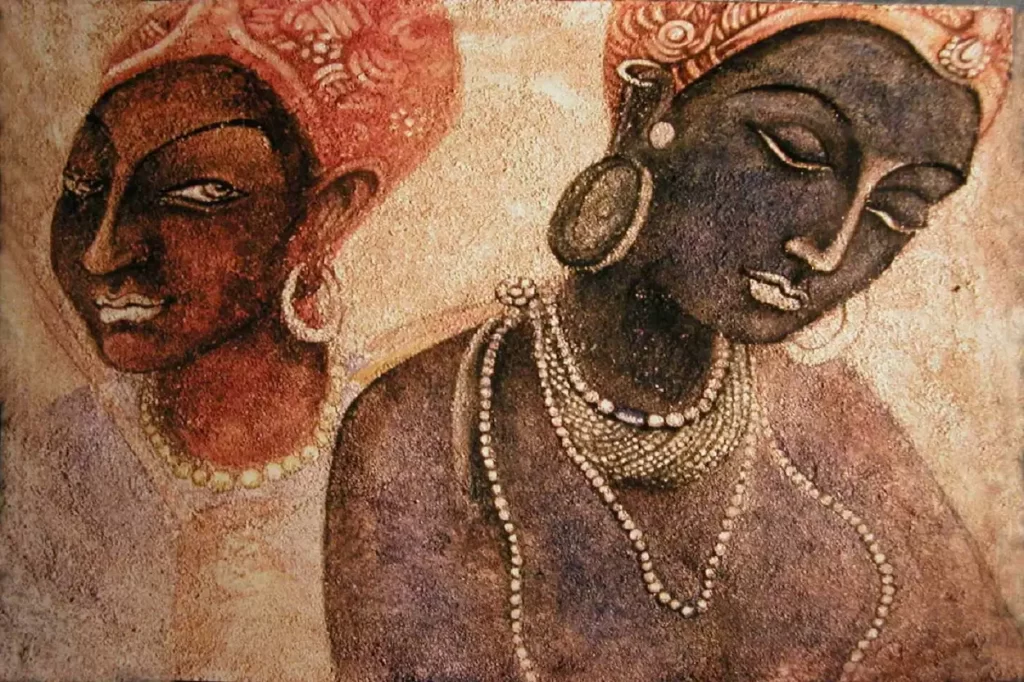
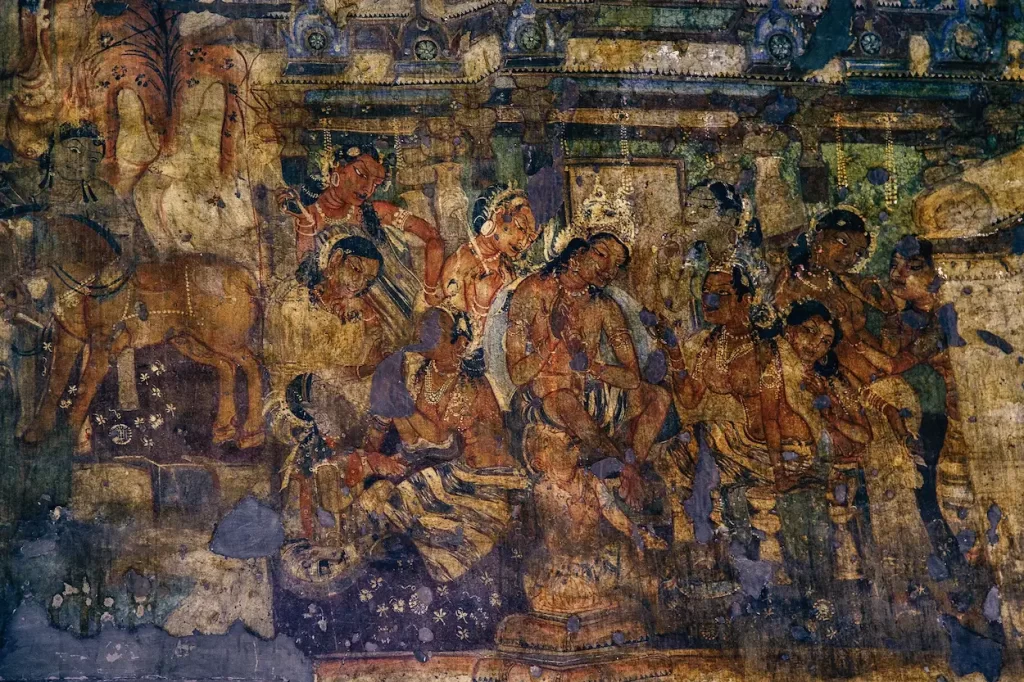
The Ajanta Caves Paintings were created between the 2nd century BCE and 6th century CE during two main periods — the early Hinayana phase and the later Mahayana phase. Unlike most ancient art, these murals don’t glorify kings or wars; they celebrate peace, empathy, and the search for inner truth.
Each wall, ceiling, and column is alive with stories — from royal processions to forest hermits, musicians, dancers, and Bodhisattvas guiding lost souls toward enlightenment.
💡 Tip: Bring a small flashlight to illuminate darker corners — it reveals colors and faces invisible to the naked eye.
📍 View on Google Maps
2. The Famous Bodhisattva Padmapani – Cave 1
Perhaps the most iconic of all Ajanta Caves Paintings, this serene figure represents compassion — a Bodhisattva holding a lotus flower, eyes half-closed in meditative grace. The calm expression and delicate brushwork make it one of the greatest portraits in ancient art history.
💡 Tip: Stand slightly to the left of the image to catch natural light streaming from the entrance.
3. Avalokiteshvara (Bodhisattva Vajrapani) – Cave 1
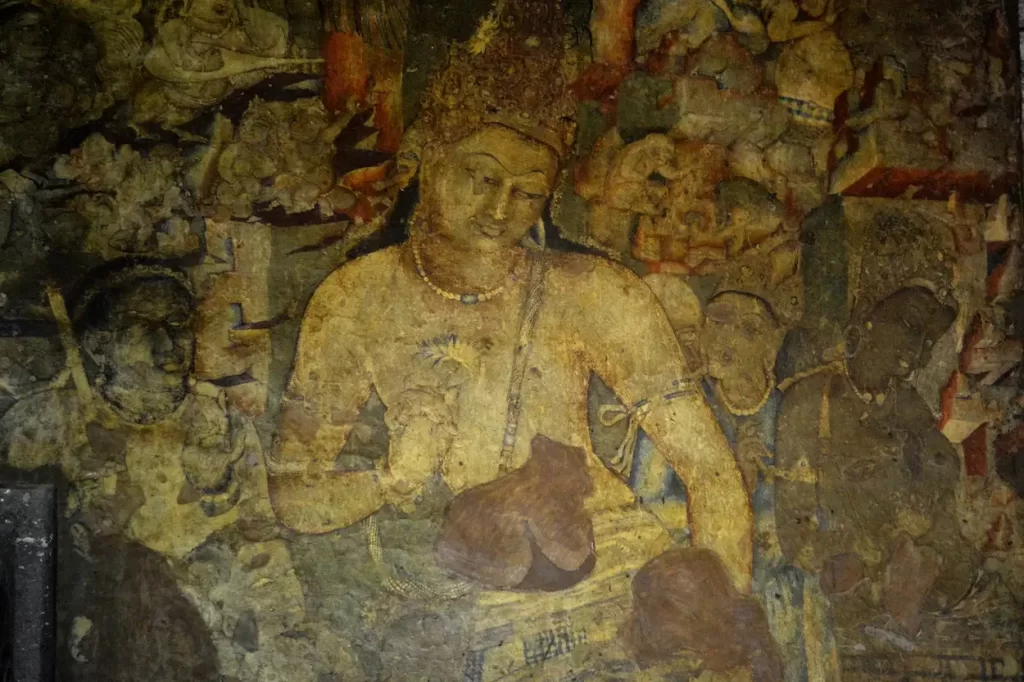
On the opposite wall of Padmapani is Avalokiteshvara, the Bodhisattva of mercy and strength. He holds a thunderbolt (vajra), symbolizing the power of wisdom to destroy ignorance. The halo and jewels shimmer with ancient elegance even in low light.
💡 Tip: Visit between 10–11 AM when sunlight directly hits the left wall — the best time for visibility.
4. The Mahajanaka Jataka – Cave 1
This magnificent series of murals tells the story of Prince Mahajanaka, who renounces his kingdom to pursue enlightenment. The details — from palace interiors to expressions of grief and joy — are breathtaking.
💡 Tip: Ask your guide to explain each panel — the story unfolds like an ancient comic strip.
5. The Vessantara Jataka – Cave 17
One of the most dramatic Ajanta Caves Paintings, this mural depicts the ultimate act of generosity — when Prince Vessantara gives away all his worldly possessions, including his children, to attain spiritual perfection. The emotions captured are deeply human and moving.
💡 Tip: This mural is on the right wall as you enter Cave 17 — best viewed under the morning light.
6. The Temptation of Mara – Cave 17
A scene rich in symbolism, it shows the moment before Buddha’s enlightenment when the demon Mara tries to distract him with illusions. The composition, filled with swirling figures and vibrant expressions, captures the eternal battle between wisdom and temptation.
💡 Tip: Look closely — the swirling lines around Buddha’s head symbolize spiritual energy overcoming chaos.
7. The Miracle of Shravasti – Cave 17
This mural depicts Buddha multiplying his image to silence skeptics who doubted his divinity. The artwork demonstrates not only spirituality but the artists’ technical genius — multiple Buddhas appear within a single perspective.
💡 Tip: Stand directly in front of the central panel; it reveals perfect symmetry from one angle.
8. The Mahaparinirvana of Buddha – Cave 26
Although primarily a sculpture, the Ajanta Caves Paintings surrounding the reclining Buddha in Cave 26 are mesmerizing. The scene represents Buddha’s peaceful passing into Nirvana, with disciples and celestial beings mourning in stillness.
💡 Tip: Visit late morning — indirect sunlight gives this chamber a soft, golden glow.
9. Ceiling Murals – Cave 2
Don’t forget to look up! Cave 2’s ceiling is an explosion of floral motifs, celestial beings, and geometric designs — a perfect example of the artists’ precision and imagination. The balance between spirituality and decoration makes this one of the most photographed parts of Ajanta.
💡 Tip: Lie on the stone bench for a moment and gaze upward — it’s a humbling experience.
10. Scenes of Daily Life – Cave 4 & Cave 16
These caves depict ordinary people — dancers, musicians, farmers, and travelers — offering a glimpse of life during the Vakataka period. The realistic postures and facial expressions show how art here transcended religion to embrace humanity itself.
💡 Tip: Use a soft light or reflector; natural shadows enhance facial details in these murals.
11. Colors & Materials Used in Ajanta Caves Paintings
The artists used natural mineral pigments like red ochre, yellow ochre, lapis lazuli, green earth, and lamp black. They painted over multiple layers of lime and clay plaster, creating depth and durability. Even after centuries, the hues remain vibrant and alive.
💡 Tip: Notice the red halos — made with iron oxide, they’ve barely faded in 1,500 years.
12. Themes and Symbolism in the Paintings
Every Ajanta Caves Painting has a spiritual message rooted in the Buddhist path to enlightenment:
- Compassion and self-sacrifice (Jataka tales).
- The cycle of life, death, and rebirth.
- The pursuit of inner peace through meditation and wisdom.
💡 Tip: In Cave 17, look for depictions of animals — each species symbolizes a human quality, like patience (elephant) or loyalty (deer).
13. The Decline and Preservation of Ajanta Paintings
After the 7th century CE, the caves were abandoned as Buddhism declined in India. Moisture, dust, and bats caused deterioration, but the Archaeological Survey of India (ASI) continues to preserve the paintings through controlled humidity and non-invasive restoration.
💡 Tip: Never touch the walls or lean close — even breath moisture can damage pigments.
14. Modern Influence of Ajanta Caves Paintings
These paintings inspired generations of Indian artists — from classical muralists to modern painters like Nandalal Bose and Abanindranath Tagore. They remain the foundation of India’s visual storytelling tradition.
💡 Tip: Visit the ASI Museum near the caves to see replicas of faded or lost murals — beautifully recreated by local artists.
15. How to Experience the Paintings Fully
- Visit between 9 AM–1 PM for best light inside caves.
- Avoid flash photography — it’s harmful and not allowed.
- Carry binoculars or a small zoom lens for fine details.
- Hire an ASI-approved guide; they’ll show you stories you’d otherwise miss.
- Spend at least half a day — Ajanta deserves your patience.
💡 Tip: Stand quietly in Cave 1 for a few minutes — the silence enhances the connection to the art.
Personally Tested Best GetYourGuide Tours
👉 Related Posts You Might Like:
- History and Architecture of Ajanta Caves
- Complete Visitor Guide to Ajanta Caves
- Photography Guide to Ajanta Caves
- Ajanta Caves Travel Guide
- Best Time to Visit Ajanta Caves
Frequently Asked Questions (FAQ)
Q: What are the Ajanta Caves Paintings famous for?
A: The Ajanta Caves Paintings are celebrated for their expressive Buddhist murals that depict Jataka tales and daily life with incredible realism and grace.
Q: How old are the Ajanta Caves Paintings?
A: The paintings date back over 2,000 years, from the 2nd century BCE to 6th century CE.
Q: What materials were used for Ajanta Caves Paintings?
A: Natural pigments like red ochre, lapis lazuli, green earth, and carbon black on lime-plastered rock surfaces.
Q: Which cave has the most famous paintings?
A: Cave 1 and Cave 17 contain the most detailed and well-preserved murals, including the Bodhisattva Padmapani and Jataka tales.
Q: Are Ajanta Caves Paintings still preserved today?
A: Yes. The ASI manages preservation with humidity control, restricted lighting, and restoration programs.