Aurangabad in India – Complete Travel Guide
If you’re trying to understand Aurangabad in India — officially renamed today as Chhatrapati Sambhajinagar — let me welcome you to a city that blends ancient heritage with everyday modern life. I’ve grown up here, walking through its bazaars, caves, college roads, and food lanes, and trust me, this place has a charm you only understand once you experience it yourself. Whether you use the old name Aurangabad or the new one, the city’s identity remains rooted in history, culture, and warm local hospitality.
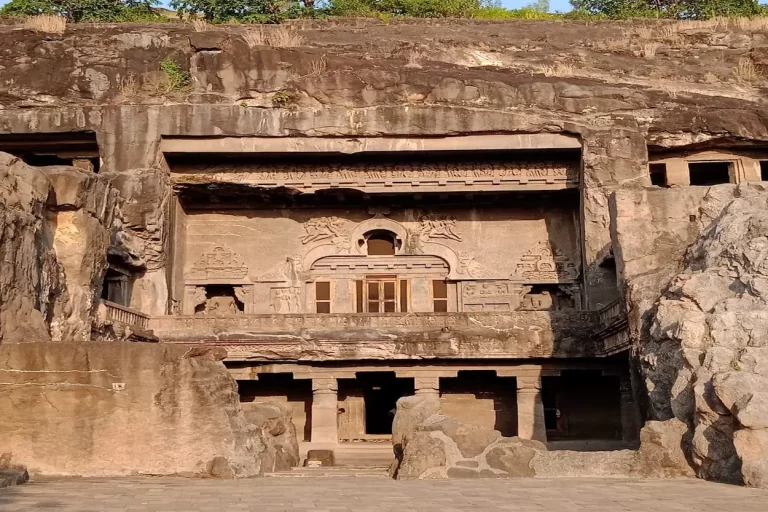
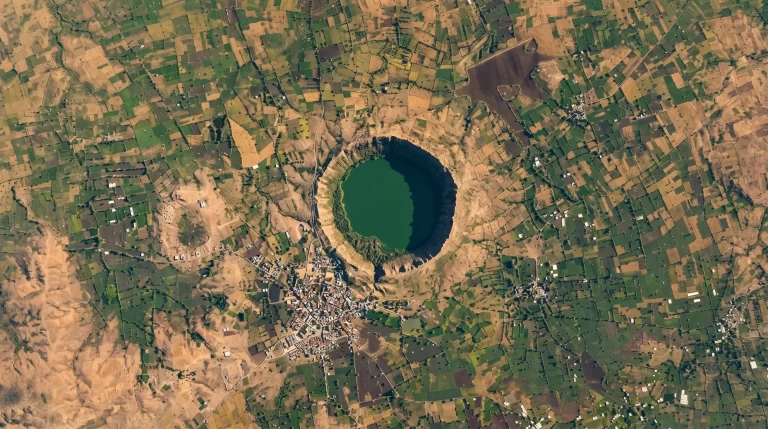
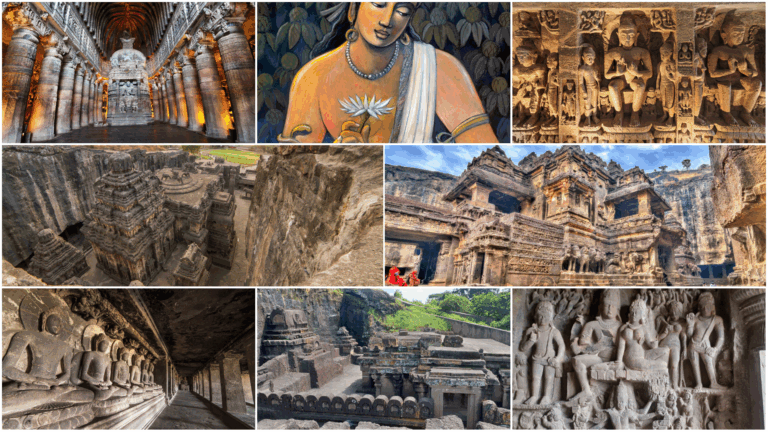
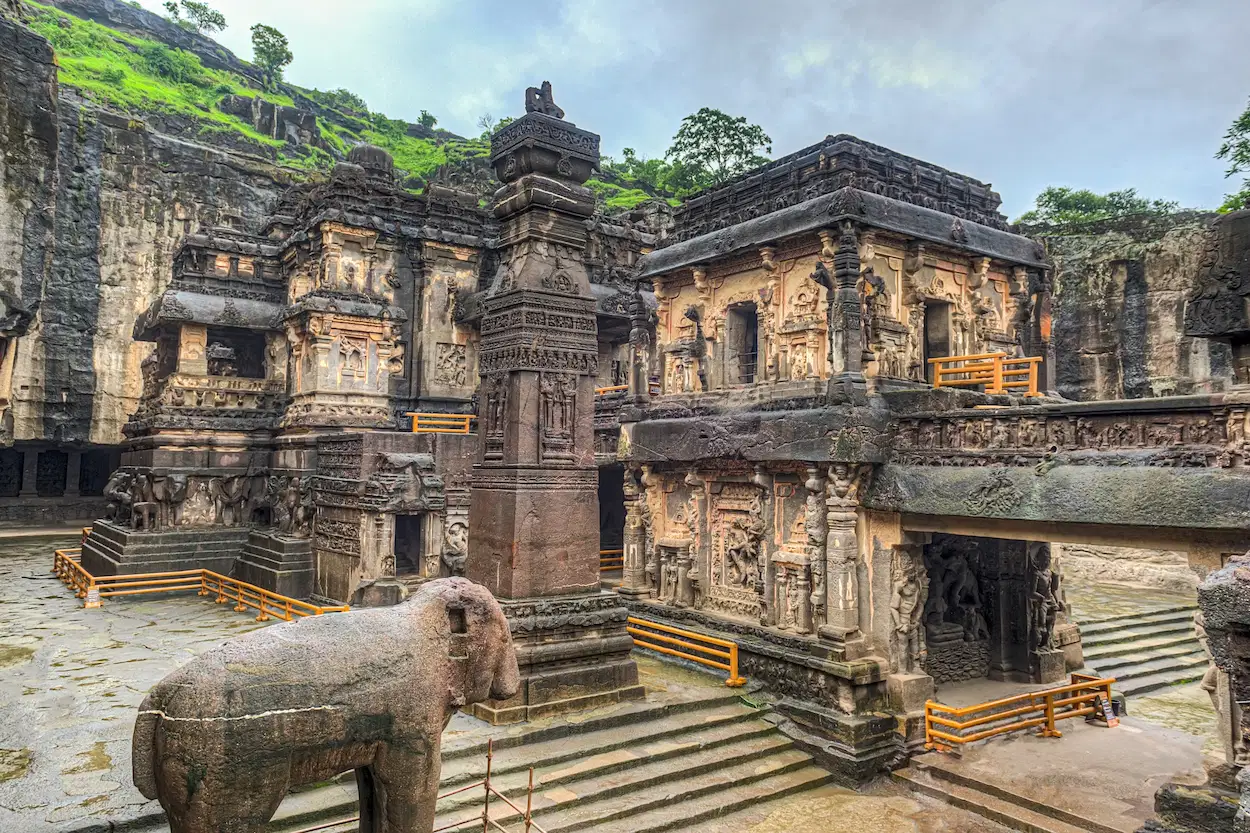
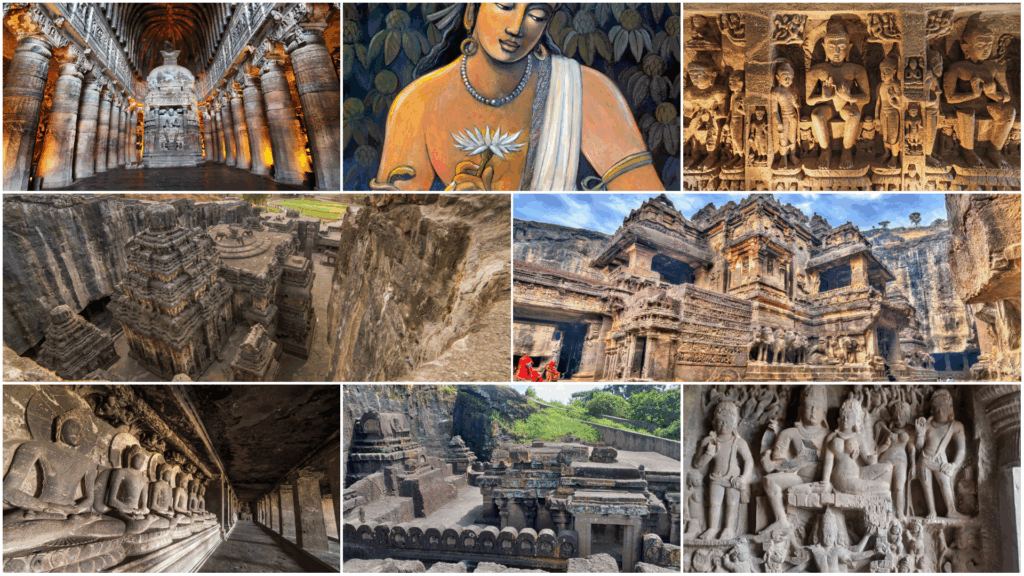
Aurangabad in Maharashtra is one of the state’s most culturally rich destinations. It sits in the Marathwada region and is surrounded by some of India’s most iconic sites — Ajanta Caves, Ellora Caves, Kailasa Temple, Grishneshwar Temple, and Daulatabad Fort. Inside the city itself, you’ll find Mughal-era gates, lakes, museums, and a unique mix of old and new neighborhoods.
If you prefer a detailed list of sightseeing spots, don’t worry – I’ve created a separate attractions guide on this site that covers everything in depth. This page, on the other hand, will give you a bigger picture: what Aurangabad is, how the city feels, and how to understand it like a local. Read here Places to visit in Aurangabad
🟫 1. Aurangabad or Chhatrapati Sambhajinagar? Understanding the City’s Identity
The city is officially known as Chhatrapati Sambhajinagar, renamed to honor Chhatrapati Sambhaji Maharaj.
But:
- Tourists still say Aurangabad
- Locals use both names
- Google Maps recognizes both names
- Travel signage is slowly changing
So don’t get confused — both names belong to the same city, and you can use whichever feels easier.
For travelers, nothing really changes except the name.
🟫 2. Where Exactly is Aurangabad in Maharashtra?
Aurangabad (Sambhajinagar) lies in the Marathwada region, a few hours from major cities:
- Pune → 230 km
- Mumbai → 330 km
- Nashik → 200 km
It has:
- An international airport
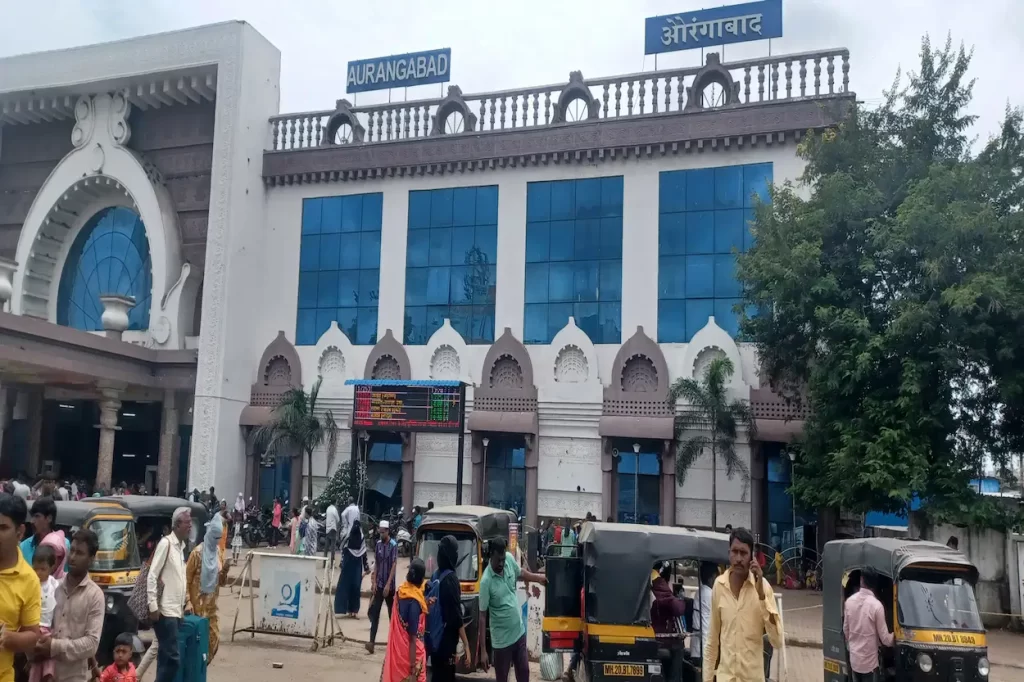
- A major railway station
- Highways linking it to Mumbai, Pune, and Nagpur
Because the city sits between multiple historical routes, it naturally became one of Maharashtra’s key cultural centers.
🟫 3. A Brief History – Layers of Cultures & Dynasties
Aurangabad’s story spans more than a thousand years:
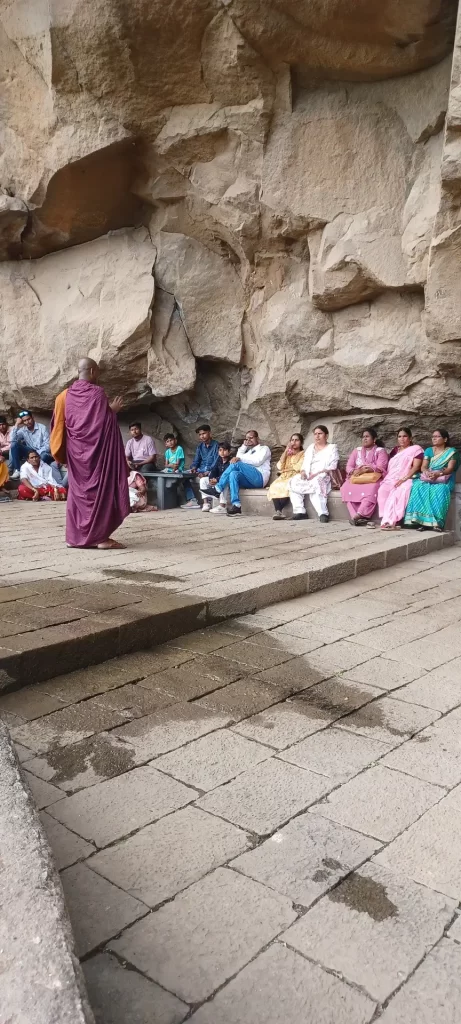
- Buddhist monks carved caves nearby
- Yadava dynasty ruled the region
- Delhi Sultanate and Mughals left major architectural influence
- Maratha Empire shaped cultural identity
- Nizams of Hyderabad added trade and textile centers
This mix created a city where you see:
- Mughal gates
- Hindu shrines
- Old fort walls
- Sufi dargahs
- British-era structures
- And modern urban development
Aurangabad’s beauty lies in this layered history.
🟫 4. Understanding the Layout – A Local Orientation Guide
If you’re visiting for the first time, here’s how the city is naturally divided:
CIDCO & New Aurangabad
Clean, organized, planned neighbourhoods
→ Great for cafés, malls, wide roads, hotels
Old Aurangabad
Narrow streets, old markets, mosques, fort remains
→ Full of local life and culture
University & Soneri Mahal Area
Green surroundings, heritage campus
→ Peaceful part of the city
Station Road
Busy, central, lots of hotels
→ Good for travellers who want quick access
Each area gives you a different flavour of the city.
🟫 5. Food Culture – Aurangabad’s Flavours in a Nutshell
Aurangabad has some of Maharashtra’s richest food traditions.
A few highlights:
- Naan Qalia – a slow-cooked Mughlai dish
- Aurangabadi Biryani – rich flavour, light spices
- Mawa Jalebi – sweet, crispy, irresistible
- Kebabs – especially in the old city
- Paithani Thali & Maharashtrian dishes
Food here is emotional — and yes, we locals take it very seriously.
🟫 6. Textile Heritage – Himroo, Mashru & Paithani
Aurangabad has been a weaving hub since medieval times.
The famous fabrics include:
- Himroo shawls
- Mashru fabric
- Paithani sarees
These are still handmade in parts of the city. Visiting a Himroo workshop is a beautiful cultural experience.
🟫 7. Important Clarification – Aurangabad Caves vs Ajanta vs Ellora
Tourists often confuse these:
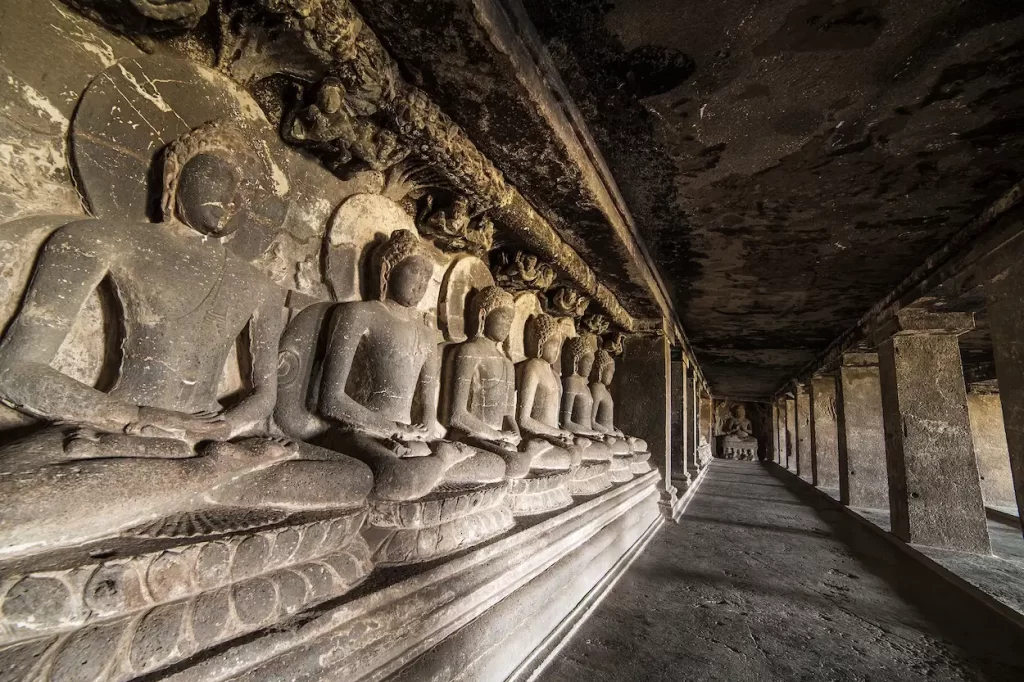
- Aurangabad Caves → inside the city
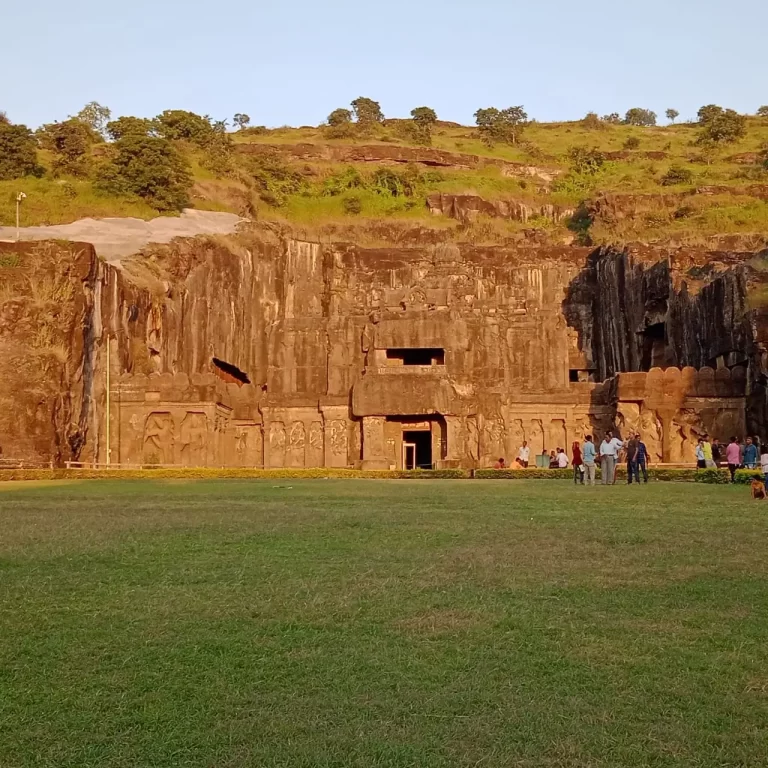
- Ellora Caves → 30 km away
- Ajanta Caves → 100 km away
All three are different, each with its own story.
Ajanta & Ellora are UNESCO World Heritage Sites — that’s why they get global fame.
Read my detailed articles on Caves
Ajanta Caves – Complete Travel Guide
Ellora Caves – Complete Travel Guide
🟫 8. Why Travellers Love Aurangabad (Beyond Monuments)
You’ll find:
- A balance of history + city life
- Friendly locals
- Affordable travel
- Scenic drives
- Honest food culture
- Heritage everywhere
- Easy access to world-famous caves
For first-time travellers, the city feels welcoming and surprisingly peaceful.
🟫 9. Best Time to Visit Aurangabad
October to February → Best weather
Pleasant for sightseeing and cave visits.
March to June → Hot
Useful for budget travellers.
July to September → Monsoon
Caves and lake areas look beautiful but roads get busy.
🟫 10. Internal Travel Tips (Rehan’s Local Advice)
- Early mornings are perfect for lake visits
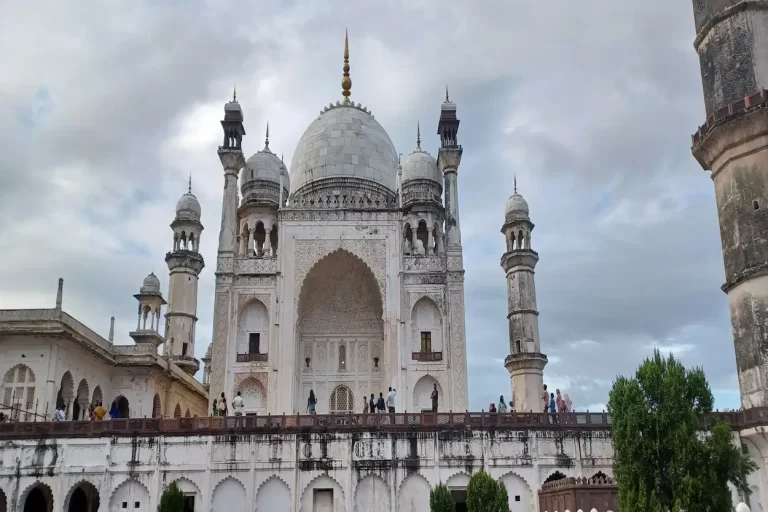
- Evenings are best for Bibi Ka Maqbara
- Old city markets are crowded — go slow
- Always carry water at heritage sites
- Try local food in smaller eateries, not only big restaurants
These small things improve your trip a lot.
🟫 11. Nearby Must-Visit Places (Not inside the city)
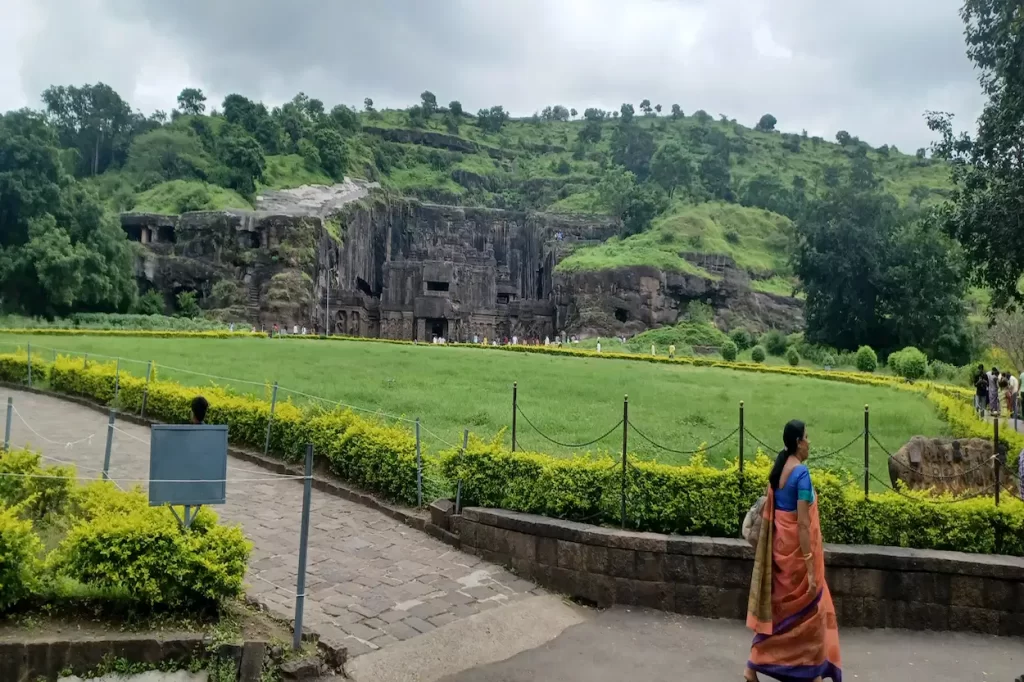
- Ellora Caves (30 km) – Kailasa Temple
- Daulatabad Fort (15 km) – Hill fort adventure
- Ajanta Caves (100 km) – Ancient Buddhist paintings
- Grishneshwar Temple – Jyotirlinga near Ellora
For detailed sightseeing, visit the full attractions guide on this site — I’ve already linked it for you.
Rehan’s Funny Tip
If your phone storage ends in Aurangabad… congratulations, you explored the city correctly. 😄
Personally Tested Best GetYourGuide Tours
❓ FAQ – Aurangabad in India
Q: Is Aurangabad and Chhatrapati Sambhajinagar the same city?
A: Yes. Chhatrapati Sambhajinagar is the new official name.
Q: Where is Aurangabad in Maharashtra located?
A: It lies in the Marathwada region, well-connected by road, rail, and air.
Q: Are Ajanta & Ellora inside Aurangabad city?
A: No — they are nearby attractions, not inside the city.
Q: Is Aurangabad safe for tourists?
A: Yes, it’s safe for families, solo travellers, and international visitors.
Q: What makes Aurangabad unique?
A: A mix of caves, forts, Mughal heritage, textile tradition, local food, and a peaceful city vibe.