Photography Rules at Indian Caves – What’s Allowed (2026)
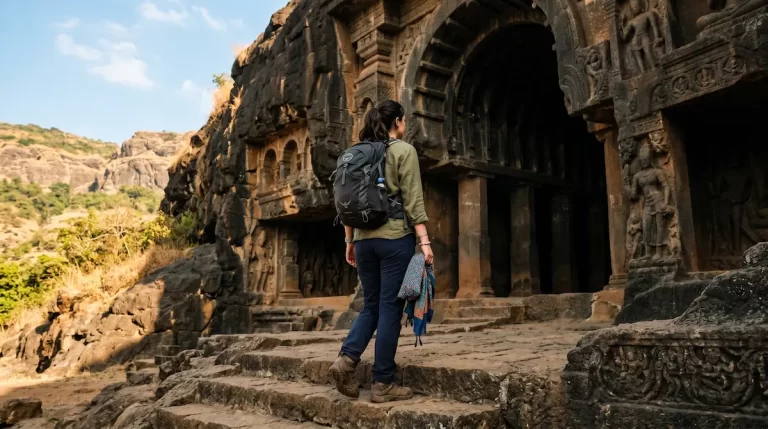
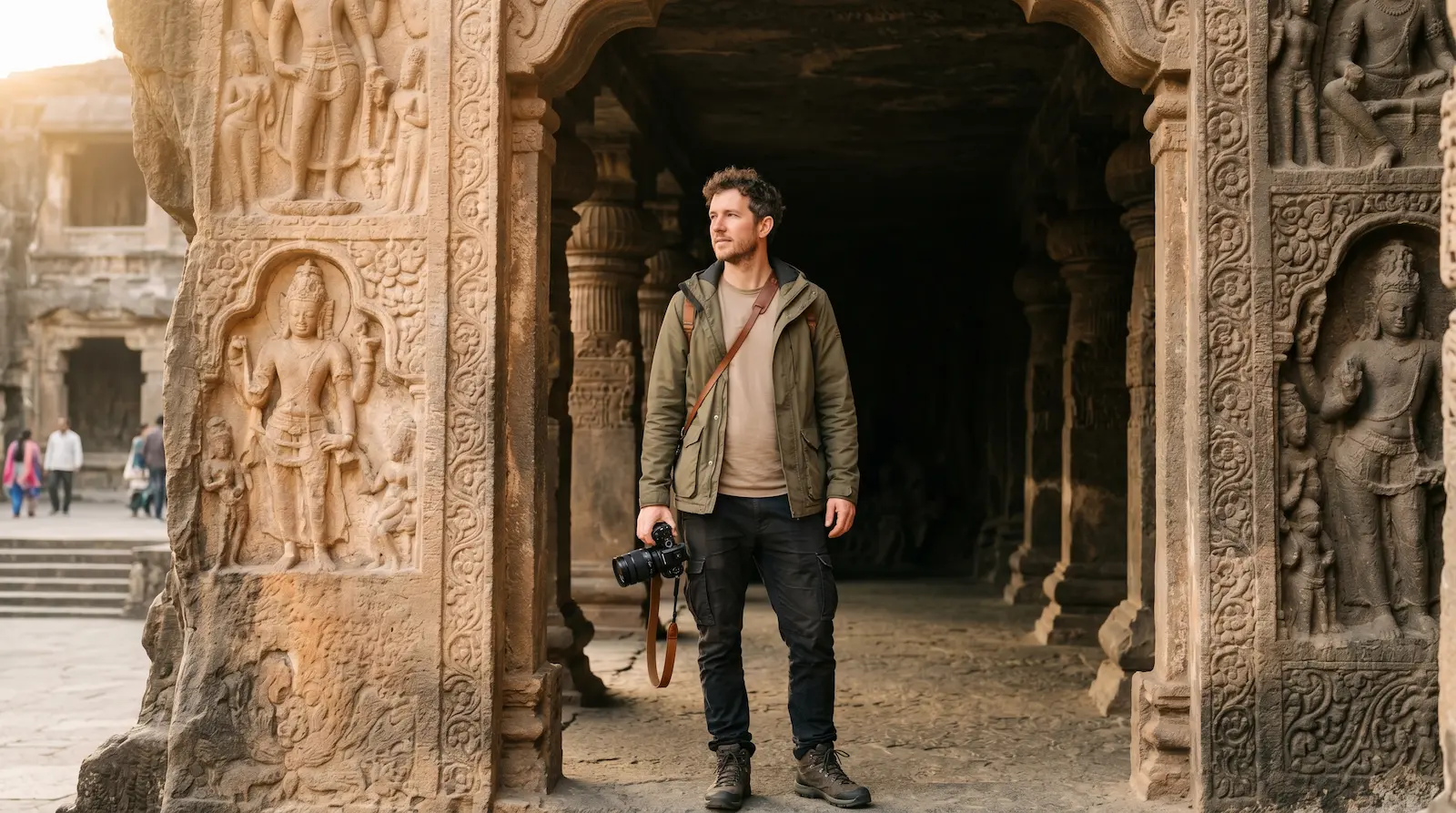
photography rules at Indian caves, Photography is allowed at most Indian cave sites, but the rules are not always identical. While visitors can usually take photos with a phone or handheld camera without any issues, restrictions often apply to flash photography, tripods, drones, commercial filming, and active temple areas.
If you’re planning to visit Ajanta, Ellora, Karla, Bhaja, Pandavleni, Aurangabad Caves, or Lonar Crater, this guide explains exactly what is generally allowed and where additional permissions may be required.
Quick Facts
| Item | Status |
|---|---|
| Mobile Photography | Allowed |
| Handheld Cameras | Allowed |
| Flash Photography | Restricted at many sites |
| Tripods | Permission usually required |
| Drones | Not permitted without approval |
| Commercial Filming | Separate permission required |
| Ajanta Paintings | Flash strictly prohibited |
General Photography Rules at Indian Cave Sites
At most ASI-protected monuments, visitors may take photographs for personal use using:
- Mobile phones
- Compact cameras
- DSLR cameras
- Mirrorless cameras
Handheld photography is generally allowed without requiring special permission.
For the vast majority of visitors, photography is straightforward and hassle-free.
Photography at Maharashtra Cave Sites
| Site | Photography | Flash | Tripod |
|---|---|---|---|
| Ajanta Caves | Allowed | Not Allowed | Permission Required |
| Ellora Caves | Allowed | Restricted | Permission Required |
| Aurangabad Caves | Allowed | Restricted | Permission Required |
| Karla Caves | Allowed | Restricted near temple | Permission Required |
| Bhaja Caves | Allowed | Restricted | Permission Required |
| Pandavleni Caves | Allowed | Restricted | Permission Required |
| Lonar Crater | Allowed | Generally Allowed | Confirm Locally |
Rules occasionally change, so visitors should always follow instructions displayed at the site entrance.
Why Flash Photography Is Restricted
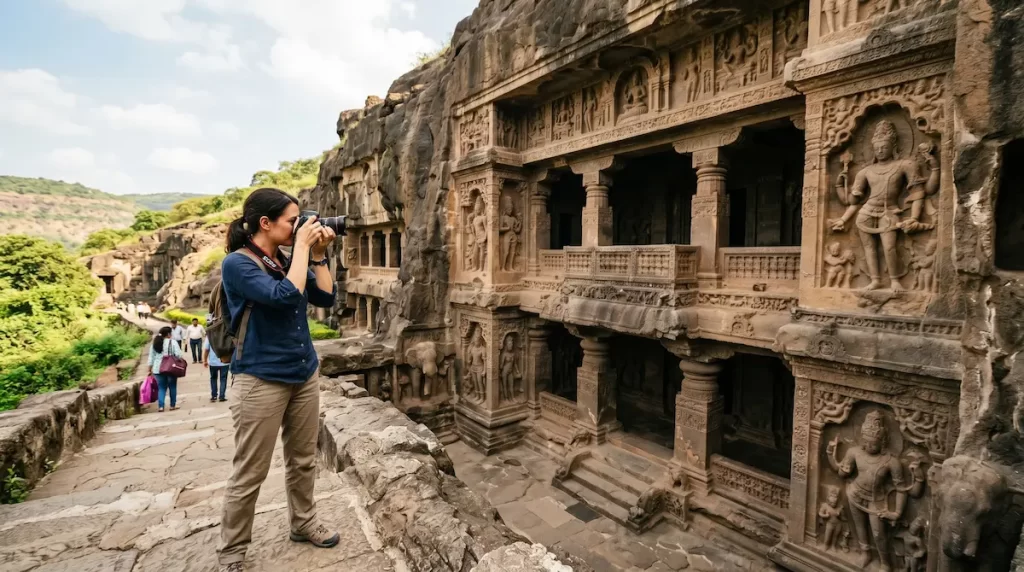
Flash photography is the most common restriction visitors encounter.
This is especially important at Ajanta Caves, where some paintings are more than 1,500 years old.
Repeated exposure to bright artificial light can contribute to deterioration of fragile pigments and painted surfaces.
For this reason:
- Flash photography is prohibited inside painted cave interiors.
- Visitors should disable flash before entering.
- Low-light photography should rely on natural or available light.
At Ajanta, protecting the paintings always takes priority over photography.
Tripod Rules
Tripods create crowd-management and conservation challenges at many heritage sites.
Because of this, tripod use often requires advance permission.
Visitors planning:
- Professional photography
- Long-exposure photography
- Documentary work
- Commercial shoots
should check current regulations before travel.
For casual visitors, handheld photography remains the easiest option.
Drone Photography
Drone photography is generally prohibited at most archaeological and heritage sites.
Even where local authorities permit drone use elsewhere, protected monuments often have separate regulations.
Visitors should never assume drone flights are allowed around cave complexes.
Unauthorized drone operation can lead to fines, confiscation of equipment, or removal from the site.
Photography Inside Active Temples
Several cave sites contain active places of worship.
Examples include:
- Ekvira Devi Temple at Karla Caves
- Hindu cave temples at Ellora
- Daitya Sudan Temple at Lonar
- Grishneshwar Temple near Ellora
Photography rules may differ inside these religious spaces.
Some shrines:
- Ban photography completely
- Restrict photography near idols
- Allow photography only in outer courtyards
Always follow local instructions and respect worshippers.
Videography and Commercial Filming
Videography is often treated differently from standard photography.
Activities that may require separate permission include:
- YouTube productions
- Professional travel videos
- Documentary filming
- Commercial advertising shoots
- Wedding photography projects
Rules vary depending on the location and purpose of filming.
If filming is a major part of your visit, confirm current requirements in advance.
Best Photography Practices
To avoid problems during your visit:
- Turn flash off before entering caves
- Respect temple restrictions
- Avoid blocking pathways
- Don’t climb onto monuments for photos
- Keep tripods packed unless specifically permitted
- Follow instructions from ASI staff
Most visitors who follow these simple guidelines encounter no issues.
Photography Tips for Cave Sites
Indian cave complexes present unique photographic challenges.
For the best results:
- Visit early morning for softer light
- Use a wide-angle lens for large interiors
- Increase ISO instead of using flash
- Photograph facades during golden hour
- Carry spare batteries and memory cards
Ajanta and Ellora, in particular, reward patience and careful composition more than complicated equipment.
FAQ — Photography Rules at Indian Caves
Q1: Can I take photos at Indian cave sites?
Yes. Mobile phones and handheld cameras are generally allowed at most cave complexes.
Q2: Is flash photography allowed at Ajanta Caves?
No. Flash photography is prohibited to protect the ancient paintings.
Q3: Can I use a tripod at cave sites?
Tripods may require advance permission depending on the site and purpose.
Q4: Are drones allowed?
Generally no. Most archaeological monuments prohibit unauthorized drone flights.
Q5: Can I photograph inside temple areas?
It depends on the specific shrine. Some allow photography, while others prohibit it entirely.
Related Posts You Might Like
- What to Wear at Indian Caves – Dress Code Guide
- Maharashtra Caves Circuit – 5-Day Complete Itinerary
- Ajanta Caves Photography Guide
- Karla Caves Photography Guide
- Lonar Crater Photography Guide