Ellora Caves Travel Guide – Complete Visitor Guide
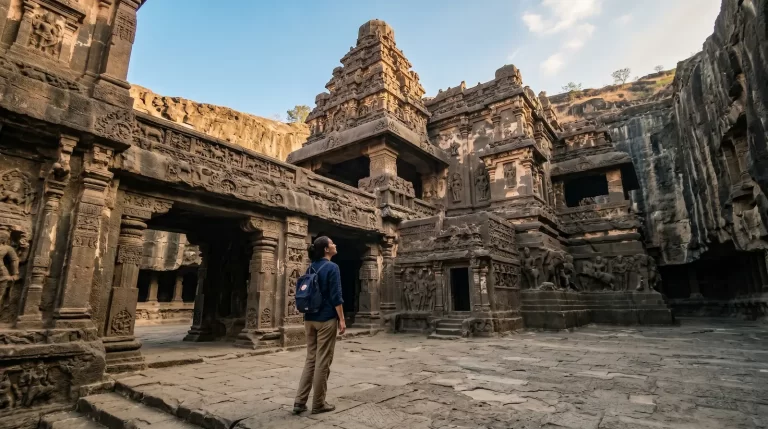
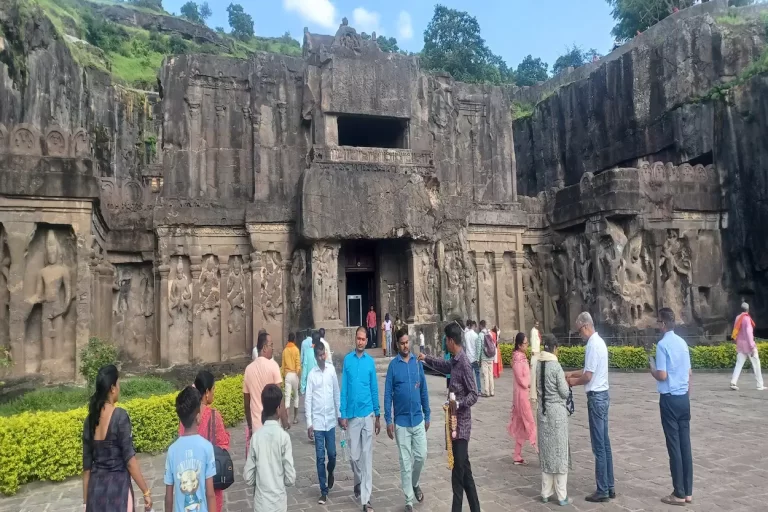
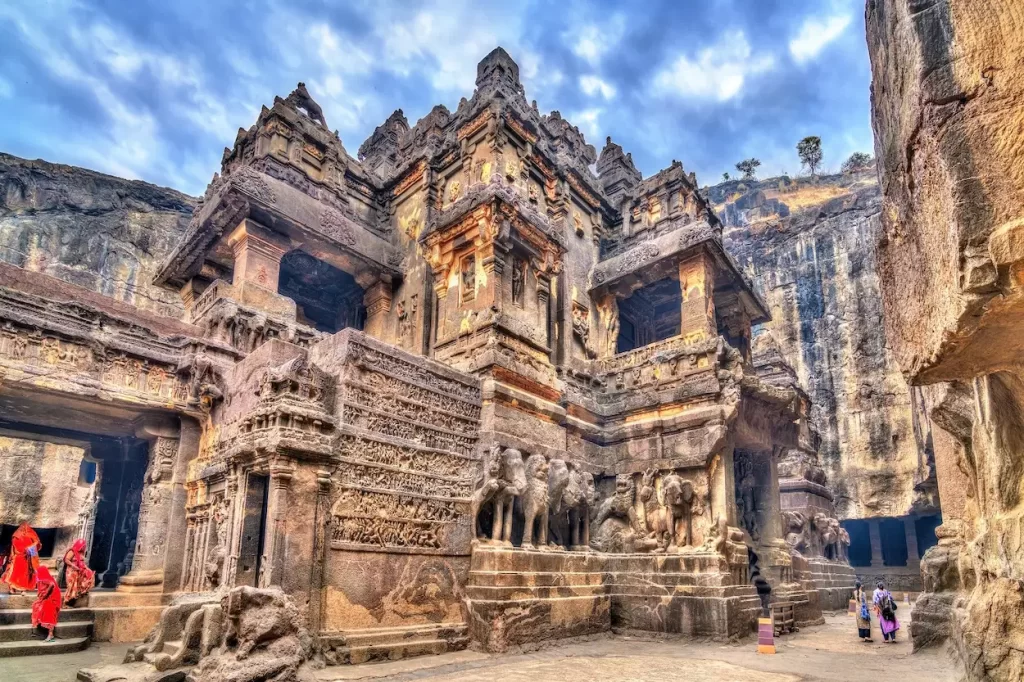
The first time I visited the Ellora Caves, I remember standing in front of the colossal Kailasa Temple and feeling small — not just in size, but in time. Imagine carving an entire mountain into a temple, top to bottom, without machines, 1,300 years ago. Every chisel mark here carries devotion, precision, and genius.
In this detailed Ellora Caves Travel Guide, I’ll share everything you need to plan your trip — from history and architecture to timings, entry fees, best time to visit, and local tips that’ll help you see Ellora the way I did — with awe and understanding.
1. Introduction – Why Ellora Caves Are a Must-Visit
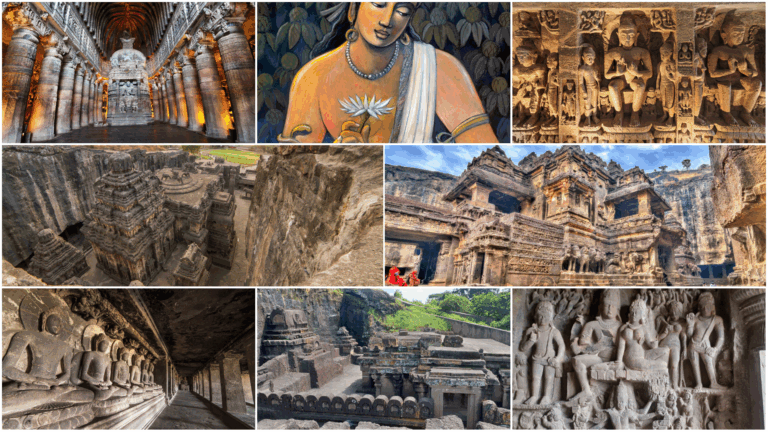
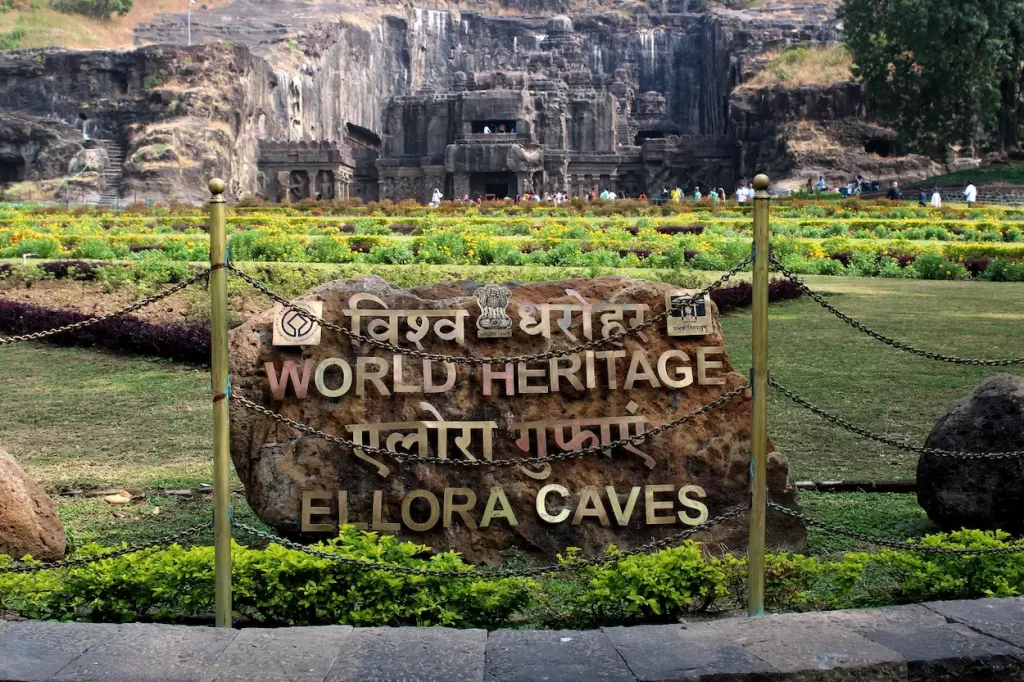
Located about 30 km from Aurangabad (now Chhatrapati Sambhajinagar), the Ellora Caves represent one of the greatest architectural achievements in Indian history. Unlike Ajanta, which is purely Buddhist, Ellora showcases three faiths coexisting — Hinduism, Buddhism, and Jainism — carved side by side in stone.
In total, there are 34 caves, built between the 6th and 10th centuries CE. Each one is unique — from the mighty Kailasa Temple to the peaceful Buddhist viharas and the intricately carved Jain shrines.
💡 Tip: Start early (around 8:30 AM) and explore in order — Hindu, Buddhist, and then Jain caves. You’ll feel the transition in art and energy.
📍 View on Google Maps
2. A Brief History of Ellora Caves
The Ellora Caves were built between the 6th and 10th centuries CE, during the rule of the Rashtrakuta and Kalachuri dynasties.
- Hindu Caves (13–29): Built first, during the 6th–8th centuries.
- Buddhist Caves (1–12): Created later, with multi-storey monasteries and chaitya halls.
- Jain Caves (30–34): Added in the 9th century, representing the final phase of construction.
The site symbolizes religious tolerance — where monks and artists of three faiths worked side by side for centuries.
💡 Tip: Cave 16 (Kailasa) is the star, but don’t miss Cave 10 (Vishvakarma) — it echoes like a natural concert hall.
📍 View on Google Maps
3. Architecture and Layout
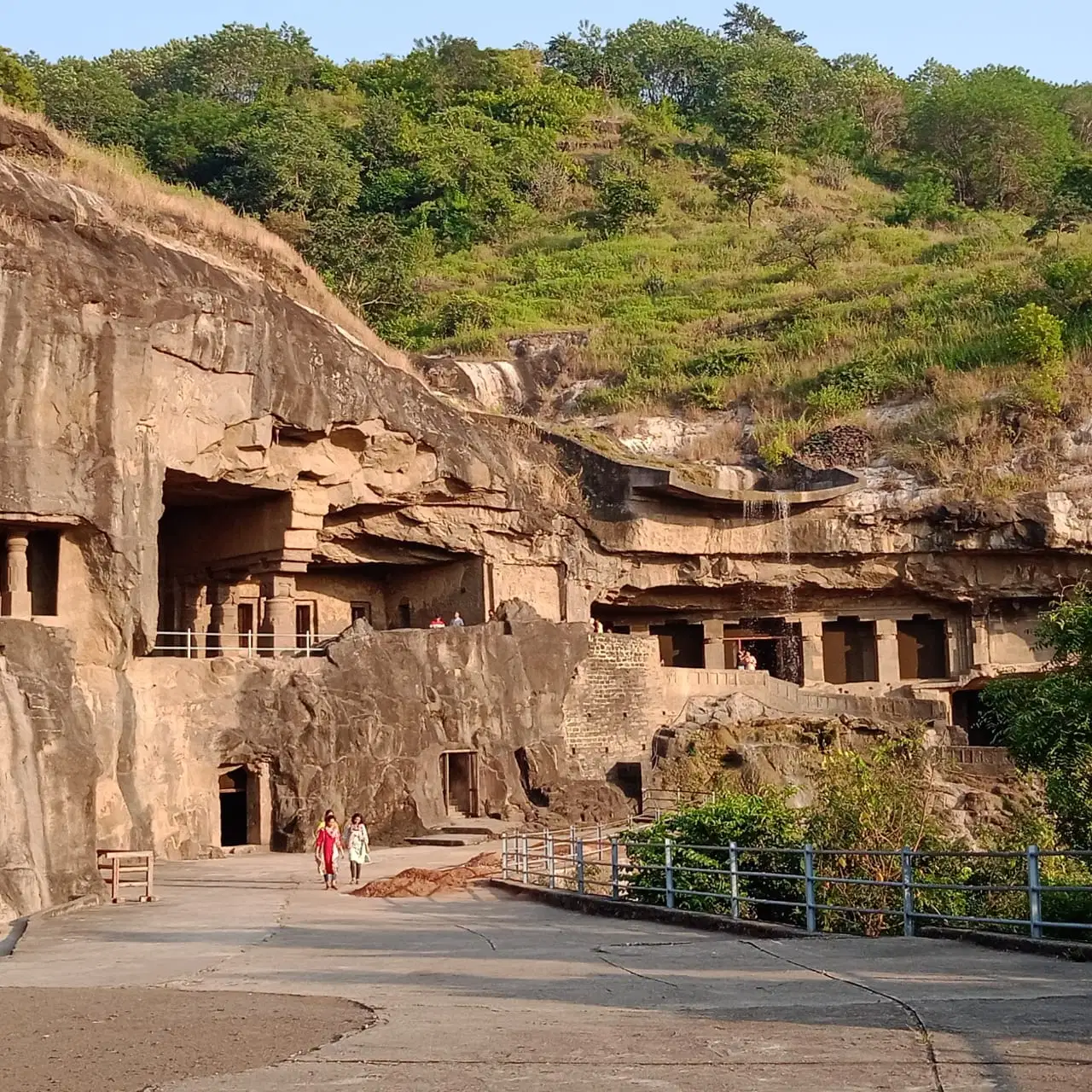
The caves are carved into a basalt cliff stretching over 2 km. Each group reflects distinct religious art and architecture.
🕉️ Hindu Caves (13–29)
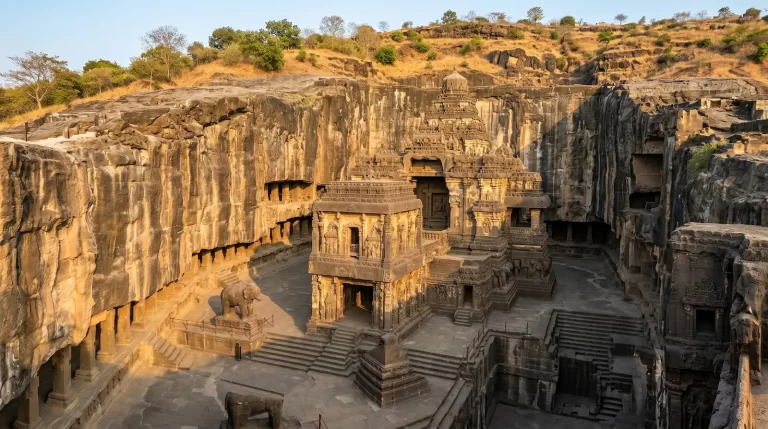
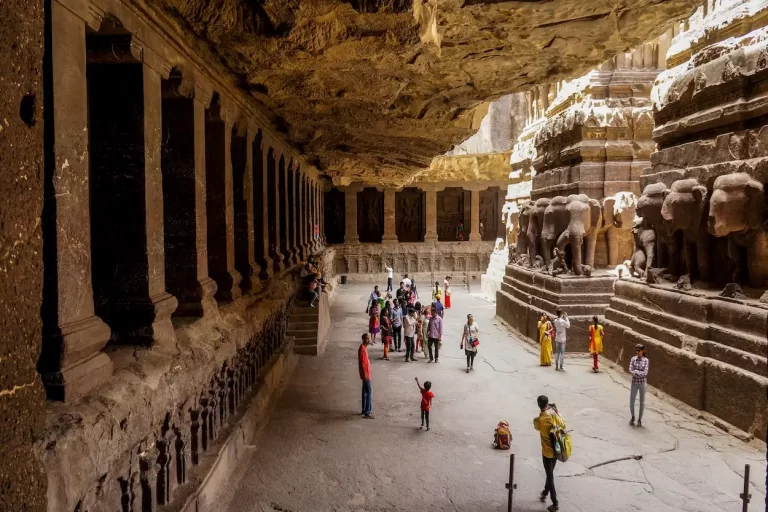
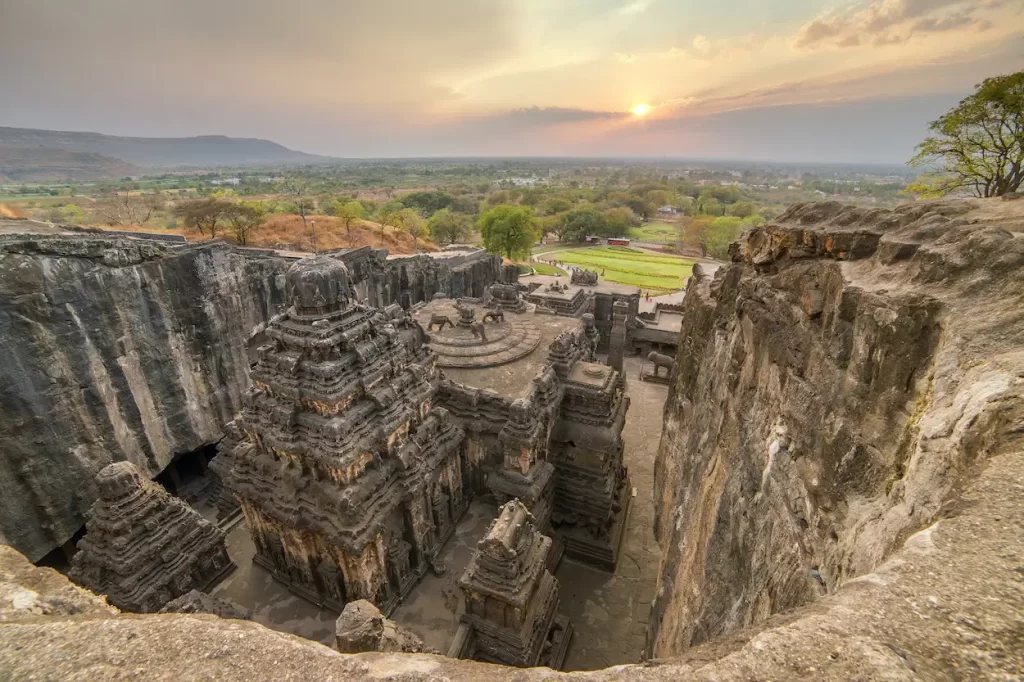
- Cave 16 (Kailasa Temple): The world’s largest monolithic structure, carved top-down. Dedicated to Lord Shiva.
- Cave 14 (Ravana Ka Khai): Intricate carvings of deities and mythological scenes.
- Cave 15 (Dashavatara): Depicts all ten avatars of Vishnu.
💡 Tip: Stand on the upper viewing platform near Cave 15 to see the Kailasa Temple from above — breathtaking view!
☸️ Buddhist Caves (1–12)
These are simpler yet deeply spiritual.
- Cave 10 (Vishvakarma / Carpenter’s Cave): A beautiful chaitya hall with a massive seated Buddha.
- Caves 5–6: Multi-storey monasteries with prayer halls and meditation cells.
- Cave 12 (Tin Tal): A three-storey cave symbolizing the path to enlightenment.
💡 Tip: The wooden-beam ceiling in Cave 10 is actually carved stone — a brilliant illusion.
☯️ Jain Caves (30–34)
These caves are small but exquisitely detailed.
- Cave 32 (Indra Sabha): Two levels with stunning carvings and lotus motifs.
- Cave 33: Features delicate figures of Tirthankaras in meditative poses.
💡 Tip: Visit these in the afternoon — soft sunlight enhances the intricate carvings.
4. Ellora Caves Timings and Entry Fees (2025)
| Category | Timings | Entry Fee |
|---|---|---|
| Opening Hours | 9:00 AM – 5:30 PM | — |
| Closed | Tuesdays | — |
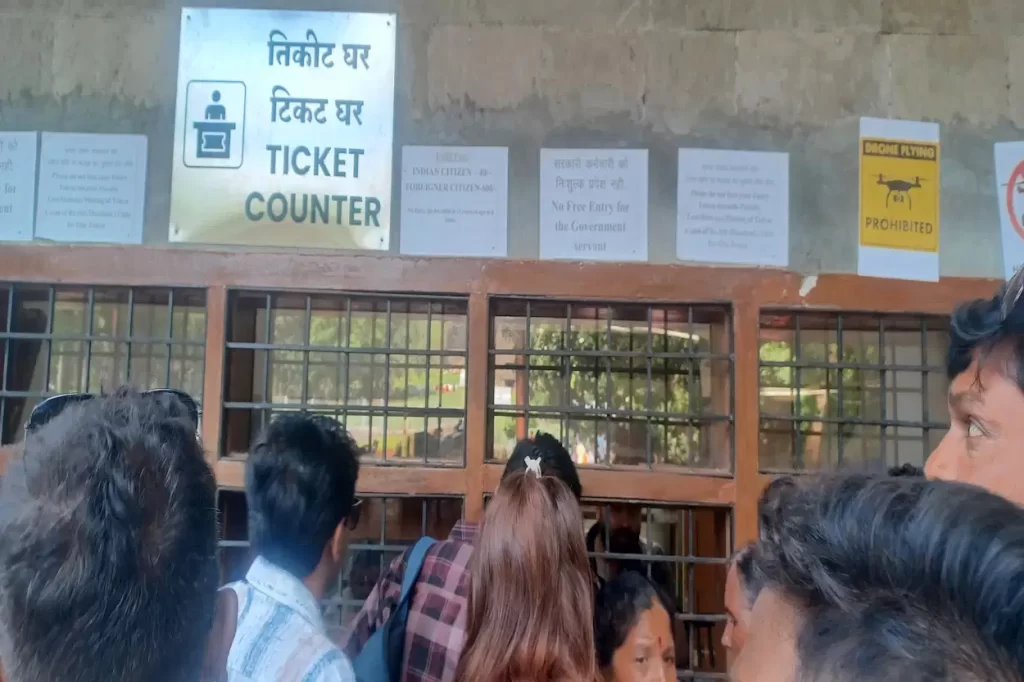
| Indian Visitors | — | INR 40 per person |
| Foreign Visitors | — | INR 600 per person |
| Children (under 15) | — | Free |
| Camera (non-professional) | — | INR 25 |
💡 Tip: Try to arrive by 9 AM. Mornings are cooler, and the crowd starts growing after 11.
5. How to Reach Ellora Caves
🚗 By Road:
- Distance from Aurangabad: 30 km / 45 minutes drive.
- Regular buses and taxis available.
🚆 By Train:
- Nearest station: Aurangabad Railway Station (32 km).
✈️ By Air:
- Nearest airport: Aurangabad Airport (40 km) — connected to Mumbai, Delhi, and Pune.
💡 Tip: Combine your Ellora trip with Daulatabad Fort and Grishneshwar Temple — both are nearby.
6. Facilities and Amenities at Ellora
Ellora is tourist-friendly, with well-managed amenities:
- 🧴 Drinking water points and restrooms near Cave 16.
- 🍛 MTDC restaurant and snack stalls near the entrance.
- 🚌 Parking available near ticket office.
- 🧳 Locker and cloakroom facilities available.
💡 Tip: Carry a hat and water — you’ll be walking under the sun, especially around Kailasa.
7. Photography Tips for Ellora Caves
- 📸 Best light: 9–11 AM for Hindu caves, 3–5 PM for Jain caves.
- No flash or tripods allowed inside.
- Use a wide-angle lens for Kailasa Temple — it’s massive!
- A circular polarizer helps capture stone textures beautifully.
💡 Tip: The top viewpoint near Cave 15 offers the best panoramic photo of Kailasa Temple.
8. Best Time to Visit Ellora Caves
The best season to visit is November to February, when the weather is pleasant.
During monsoon (July–September), the surrounding cliffs turn lush green, adding drama to photos — but paths can be slippery.
💡 Tip: If you visit in August, you’ll also catch the Ellora–Ajanta Festival, featuring live dance and music against the backdrop of the caves.
9. Nearby Attractions Around Ellora
- Grishneshwar Temple (2 km): One of the 12 Jyotirlingas.
- Daulatabad Fort (15 km): A majestic hilltop fortress.
- Bibi Ka Maqbara (30 km): The “Mini Taj Mahal.”
- Pitalkhora Caves (70 km): Lesser-known ancient Buddhist site.
💡 Tip: Hire a local taxi for a half-day trip — easy to cover all these together.
10. My Personal Tips for Exploring Ellora
- Start early with the Hindu section (Caves 13–29) before the crowds.
- Carry a flashlight to appreciate darker carvings.
- Spend extra time at Kailasa Temple (Cave 16) — every angle is stunning.
- Hire an ASI-approved guide — they’ll help you understand hidden meanings in sculptures.
- Visit the Jain caves last, when the light softens and crowds thin out.
💡 Tip: Don’t rush — Ellora is best enjoyed slowly, cave by cave. Sit quietly for a few minutes in Cave 10 — the echo there feels meditative.
11. Guided Tour Options (Recommended for First-Timers)
If it’s your first visit, a guided tour is absolutely worth it.
These tours include:
- Hotel pickup and drop-off.
- English-speaking licensed guide.
- Air-conditioned vehicle.
- Entry coordination and itinerary planning.
💡 Tip: The combined Ajanta–Ellora tour saves time and offers a full experience of Maharashtra’s heritage in 2 days.
12. Sustainable Travel Tips
Ellora is fragile — every touch, flash, and footprint matters.
✅ Carry reusable bottles.
✅ Avoid touching carvings.
✅ Don’t litter or bring food inside caves.
✅ Respect the silence — these spaces were once monastic retreats.
💡 Tip: If you’re traveling with kids, teach them to whisper inside — the caves have natural echoes.
👉 Related Posts You Might Like:
- Complete Visitor Guide to Ajanta Caves
- Kailasa Temple Ellora – History and Travel Tips
- Grishneshwar Temple Guide
- Daulatabad Fort Travel Guide
Frequently Asked Questions (FAQ)
Q: What is the entry fee for Ellora Caves?
A: INR 40 for Indian visitors and INR 600 for foreign tourists (children below 15 free).
Q: What are the Ellora Caves timings?
A: 9:00 AM to 5:30 PM, closed every Tuesday.
Q: How long does it take to explore Ellora Caves?
A: Around 3–4 hours for a full tour, or 2 hours if you focus on major caves.
Q: Which cave is the most famous at Ellora?
A: Cave 16 — Kailasa Temple, the largest monolithic rock-cut temple in the world.
Q: Can I book a guided tour of Ellora Caves online?
A: Yes! You can pre-book tours with local experts through GetYourGuide for a hassle-free experience.